
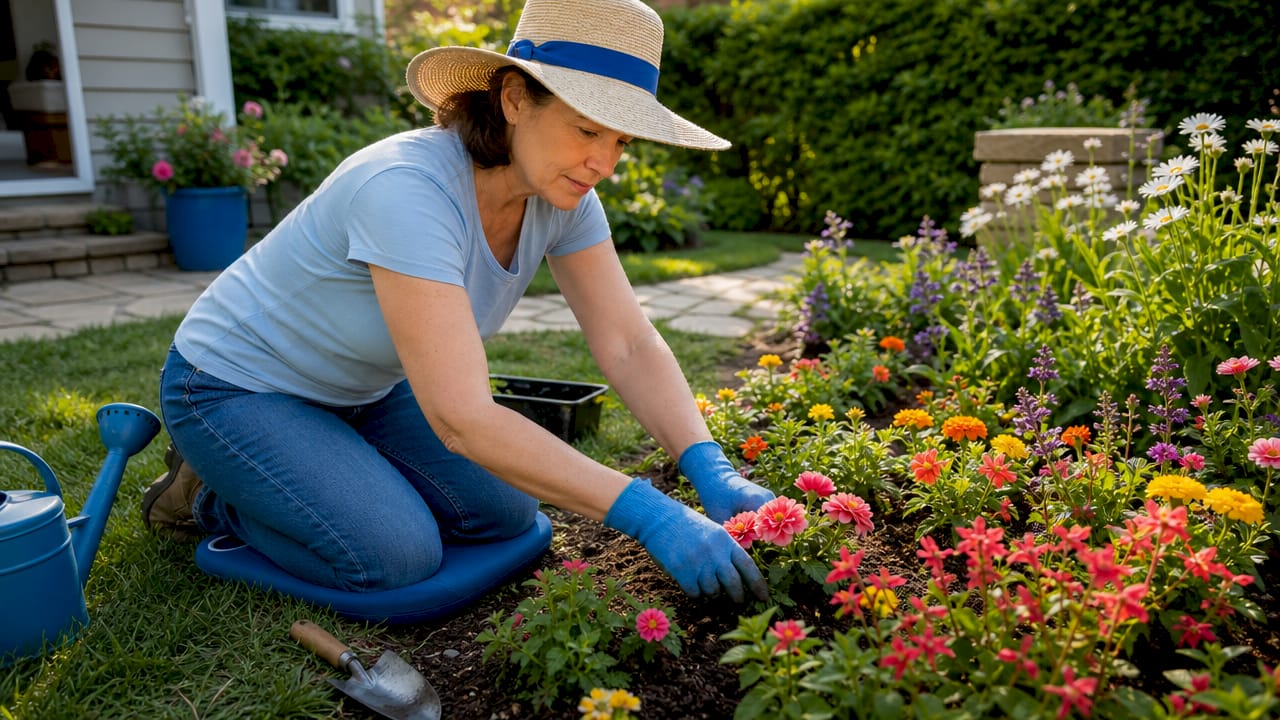
Curb appeal landscaping is the practice of designing and maintaining your front yard to create a strong, welcoming first impression from the street. Done right, it raises your property value, improves daily enjoyment, and signals pride of ownership to every neighbor and visitor who passes by. The best results come from combining clean hardscaping, thoughtful plant selection, and layered outdoor lighting. This guide covers every step, from initial assessment to seasonal maintenance, so you can improve home curb appeal landscaping with confidence and lasting results.
How to plan your curb appeal landscaping project
Good planning prevents costly mistakes. Before you buy a single plant or bag of mulch, walk your property and take an honest look at what you have.
Start by assessing these key conditions:
- Existing plant health: Remove dead or overgrown shrubs before adding anything new. Sick plants undermine every other improvement you make.
- Bed edges: Ragged, undefined edges make even healthy plantings look neglected. Re-cutting bed edges with a sharp steel edging tool creates a crisp, professional look in a single afternoon.
- Walkway width: A front walkway needs to be at least 4 feet wide to let two people walk side by side and meet basic accessibility standards. Narrow paths feel uninviting and can be a liability.
- Drainage and grade: Water pooling near the foundation damages plants and hardscape. Identify low spots before you plant.
- Lighting gaps: Walk your property at dusk. Note which areas go dark and where pathways lose definition.
The indoor view matters more than most homeowners realize. Viewing your landscape from inside the home helps you identify exactly where to add seasonal color or a focal plant to enhance the daily living experience, not just the street view. Stand at your front windows and your kitchen sink. Those sightlines should guide where you place your best plants.
Pro Tip: Photograph your front yard from the street at the same time of day you most often arrive home. That photo reveals problems your eye skips over when you are standing in the yard.
Plan your plant placement based on your home’s architecture. A Colonial or Cape Cod benefits from symmetrical foundation plantings. A craftsman or ranch style looks best with flowing, asymmetrical beds. Match the planting style to the house, not to what was on sale at the garden center.
Step-by-step landscaping techniques for curb appeal
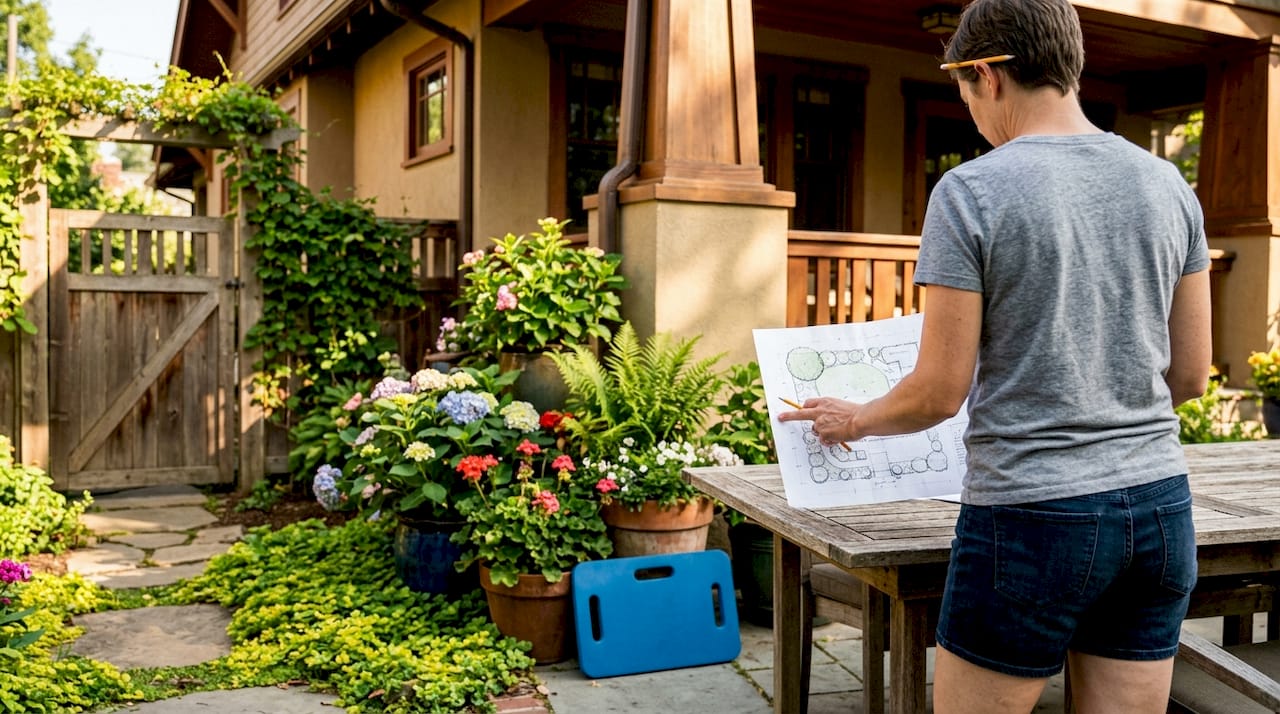
With a solid plan in place, execution becomes straightforward. Follow these steps in order for the best results.
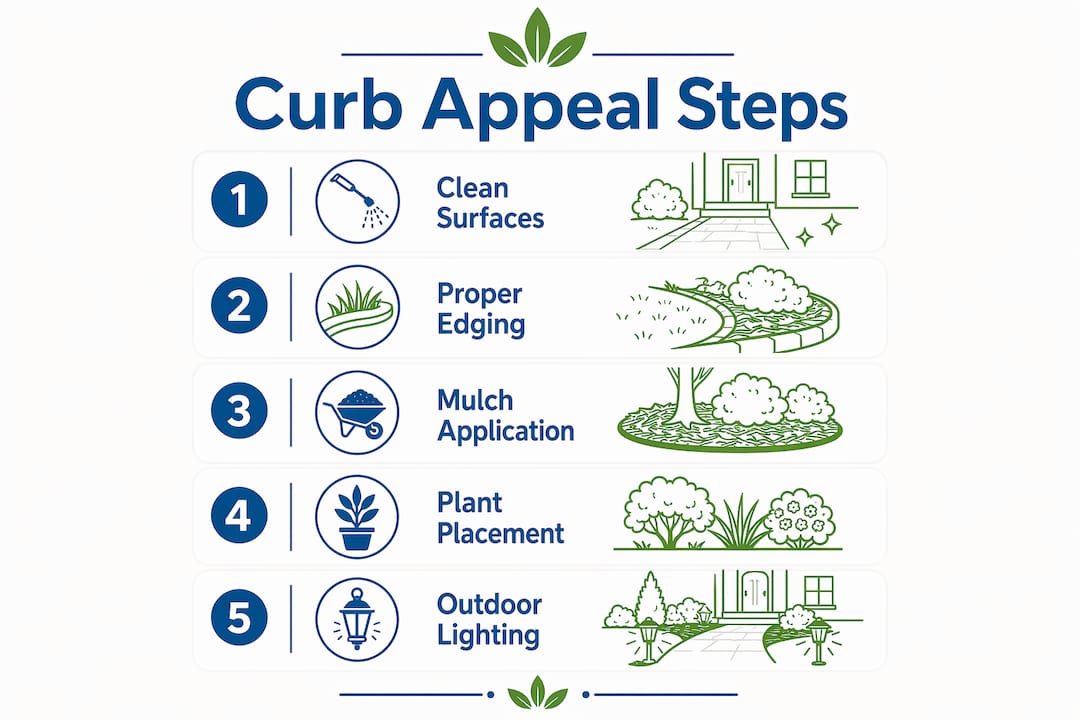
- Power wash all hard surfaces first. Power washing your driveway, sidewalk, and siding can make your home appear up to 10 years younger in a single afternoon. Grime and algae stains age a property faster than almost any other factor. Clean surfaces before you plant so you do not damage new beds with runoff.
- Re-cut all bed edges. Use a steel half-moon edger or a flat spade to create a clean, defined line between lawn and planting beds. This single step delivers more visual impact per hour of work than almost anything else you can do.
- Select and mass your plants. Massing one to three plant types avoids clutter and creates the illusion of a larger yard, especially in smaller front yards. Choose plants that complement each other in texture and color, then repeat them in groups of three or five. Good choices for New England front yards include dwarf holly, ornamental grasses, and low-growing junipers.
- Layer plants by height. Place the tallest plants closest to the house and the shortest nearest the walkway. This creates depth and draws the eye toward the entry. A specimen tree, such as a Japanese maple or serviceberry, anchors a corner bed and adds year-round interest.
- Apply mulch correctly. Lay a consistent 2–3 inch layer of high-quality mulch across all garden beds. Keep mulch several inches away from tree trunks and shrub stems to prevent rot and pest damage. Fresh mulch unifies the entire planting scheme and suppresses weeds for the season.
- Install layered outdoor lighting. Dark Sky-compliant lighting highlights paths and architectural elements while minimizing light pollution. Use path lights along the walkway, uplights on specimen trees, and wash lights on the house facade. Layered outdoor lighting adds security and extends your home’s visual appeal well into the evening hours.
Pro Tip: Choose warm white bulbs (2700K–3000K) for outdoor fixtures. Cool white light reads as harsh and institutional against natural plantings and warm-toned siding.
Here is a quick comparison of the highest-impact upgrades by effort and return:
| Upgrade | Effort Level | Visual Impact |
|---|---|---|
| Power washing hard surfaces | Low | Very High |
| Re-cutting bed edges | Low | High |
| Fresh mulch application | Low | High |
| Plant massing and layering | Medium | Very High |
| Outdoor lighting installation | Medium | High |
| Walkway widening or replacement | High | Very High |
Common mistakes that hurt your curb appeal
The most damaging landscaping errors are also the most common. Knowing what to avoid saves you time, money, and frustration.
Volcano mulching is the single most widespread mistake in residential landscaping. Piling mulch against tree trunks in a cone shape traps moisture and creates a breeding ground for pests and fungal rot. It kills trees slowly and looks unprofessional. Keep mulch flat and pulled back from any trunk or stem.
“Applying mulch incorrectly can damage plants over time. Keep mulch away from trunks to prevent rot and pests, and never pile it higher than 3 inches in any bed.” — Landscaping best practice
Other mistakes to avoid:
- Overgrown shrubs near the entry. Overgrown shrubs near entrances create security risks and tripping hazards. Dwarf varieties stay compact and require far less pruning. If your existing shrubs block windows or the front door, replace them rather than cutting them back repeatedly.
- Too many plant species. Visual clutter with too many plant types reduces curb appeal. A yard with 15 different species looks like a collection, not a design. Limit your palette and repeat what works.
- Narrow or cracked walkways. A walkway under 4 feet wide signals a property that was not designed with visitors in mind. Cracks and heaving also create trip hazards that expose you to liability.
- Glaring or misaimed lights. Lights that shine directly into visitors’ eyes or illuminate nothing of value waste energy and look careless. Aim fixtures at surfaces, not at people. Dark Sky-compliant technology reduces glare and light pollution while still delivering strong visual impact.
How to maintain your landscaping for year-round curb appeal
A well-planted yard loses its appeal quickly without consistent maintenance. These five steps keep your property looking sharp through every season.
- Re-cut bed edges every 4–6 weeks. Grass and weeds creep into beds fast. A steel edging tool used regularly costs almost nothing and preserves the professional look you worked to create.
- Refresh mulch once a year. Top off beds each spring with a fresh 1-inch layer to restore color and weed suppression. Do not let old mulch build up beyond 3 inches total depth.
- Prune shrubs on a schedule. Most flowering shrubs need pruning right after they bloom. Evergreen shrubs benefit from a light trim in late spring and again in early fall. Never remove more than one-third of a shrub’s growth in a single session.
- Adjust plantings for seasonal interest. Swap out annual color in spring and fall to keep beds looking fresh. Ornamental kale, mums, and pansies extend visual interest into late fall. Spring bulbs like tulips and daffodils planted in october deliver early-season color before perennials emerge.
- Clean and inspect hardscape and lighting. Rinse walkways and driveways each spring. Check lighting fixtures for burned-out bulbs, shifted aim, and debris buildup. Clean lenses improve output significantly without any hardware cost.
Pro Tip: Set a recurring calendar reminder for the first weekend of each month to walk your property and note what needs attention. Fifteen minutes of observation prevents hours of catch-up work.
Seasonal interest is not just about flowers. Bark texture, berry color, and seed heads carry a yard through winter. Plants like red-twig dogwood, winterberry holly, and ornamental grasses provide structure and color from november through march, which matters especially in New Hampshire where winters are long.
Key takeaways
Curb appeal landscaping delivers the strongest results when you combine clean edges, correct mulch application, massed plant groupings, and layered lighting into a single cohesive plan.
| Point | Details |
|---|---|
| Start with clean surfaces | Power wash driveways, sidewalks, and siding before any planting work begins. |
| Edge beds sharply | Re-cut bed edges with a steel tool to create a professional look in one afternoon. |
| Mass plants, not variety | Limit plantings to 1–3 species per bed to reduce clutter and increase visual impact. |
| Apply mulch correctly | Use a 2–3 inch layer kept away from trunks to suppress weeds and prevent rot. |
| Layer lighting at night | Install Dark Sky-compliant path lights, uplights, and wash lights for evening appeal. |
What I have learned from years of front yard transformations
The most underrated tool in curb appeal landscaping is a steel edging tool. Homeowners spend thousands on new plants and hardscape, then undermine the whole investment with soft, undefined bed edges. A sharp edge between lawn and bed signals intentional design. It tells every visitor that someone cares about this property.
The indoor view insight changed how I approach every project. Most homeowners design for the street. The better question is: what do you see from your kitchen window every morning? That view shapes your daily mood. When you plan landscaping with the indoor view in mind, you get a yard that improves your life, not just your listing price.
The trend toward naturalistic landscapes using native plants is not just aesthetic. Native plants require less water, less fertilizer, and less maintenance than traditional ornamentals. They also support local pollinators, which matters more each year. A front yard planted with native species looks intentional and current, not overgrown or neglected.
Lighting is the upgrade most homeowners delay too long. A well-lit front entry is welcoming at 7 PM in january just as much as it is in july. Dark Sky-compliant fixtures are now widely available and affordable. If your front yard goes dark after sunset, you are losing half the hours when your home makes an impression.
— Damian
Divinelandscapingllc can bring your curb appeal vision to life
Your front yard is the first thing people see and the last thing you look at before you leave for the day. Getting it right takes more than good intentions.
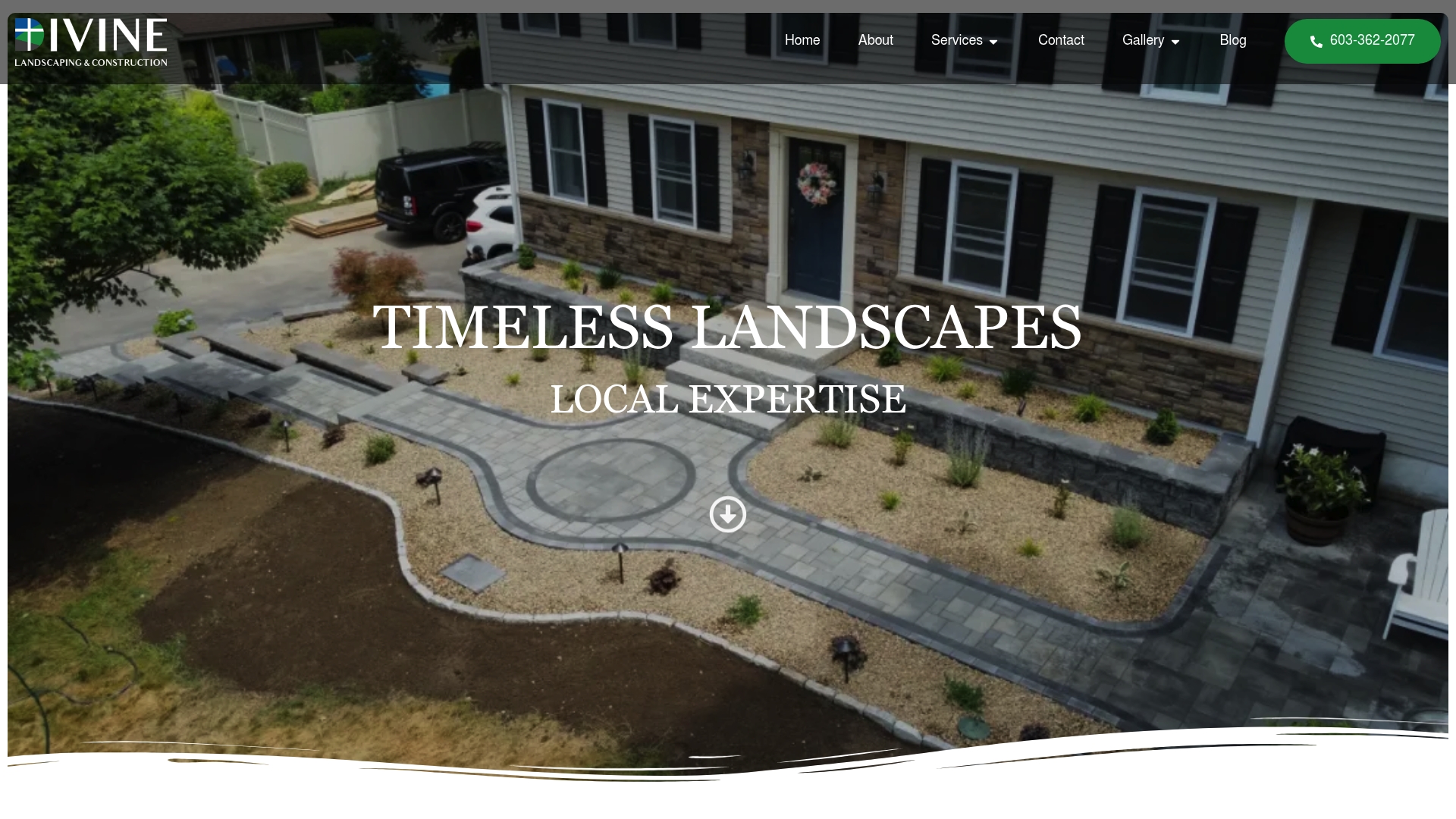
Divinelandscapingllc designs and builds custom front yard spaces for homeowners across New Hampshire, combining professional landscape design with hardscaping, outdoor lighting, and full-service maintenance. Whether you need a complete front yard redesign or targeted upgrades like bed edging, plant installation, and lighting, the team brings the experience to do it right the first time. Request a quote and get a plan built around your home, your budget, and your goals.
FAQ
What is the fastest curb appeal upgrade I can make?
Power washing your driveway, sidewalk, and siding delivers immediate results and can make your home appear up to 10 years younger in a single afternoon. It costs very little and requires no special skills.
How wide should a front walkway be?
A front walkway should be at least 4 feet wide to allow two people to walk side by side comfortably and meet standard accessibility guidelines.
How many plant types should I use in my front yard?
Limit your front yard to one to three plant species per bed. Massing fewer types reduces visual clutter and makes smaller yards appear larger.
How deep should mulch be in garden beds?
Apply a consistent 2–3 inch layer of mulch across all beds. Keep mulch pulled back several inches from tree trunks and shrub stems to prevent rot and pest damage.
What outdoor lighting works best for curb appeal?
Dark Sky-compliant layered lighting works best. Combine path lights along walkways, uplights on trees, and wash lights on the house facade for balanced, attractive illumination that minimizes glare and light pollution.