
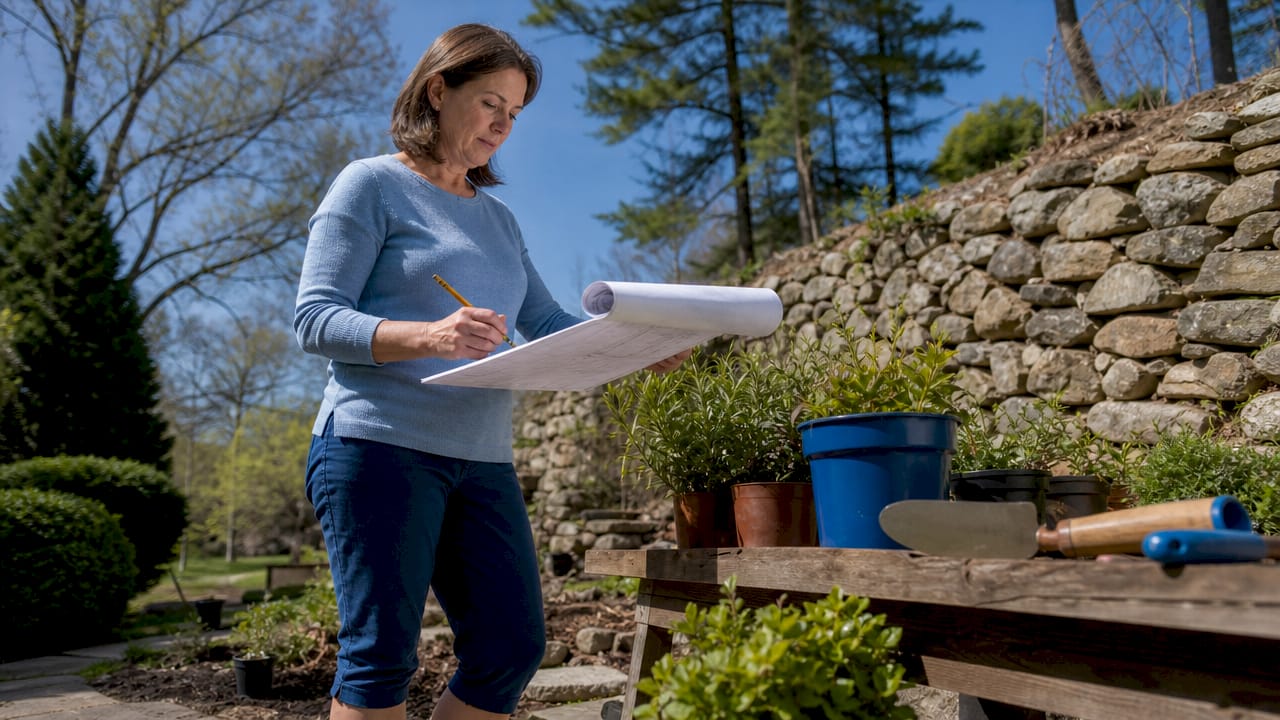
Landscape design is defined as the analysis, planning, and design of exterior living spaces to create functional, attractive outdoor environments. It goes far beyond choosing plants. A well-executed design integrates site analysis, space planning, drainage, hardscape features, and plant selection into a single cohesive plan. For New Hampshire homeowners and property managers, understanding these principles means the difference between an outdoor space that thrives through four seasons and one that underperforms from the start. This article covers the core elements, the design process, local environmental considerations, and practical tips for getting it right.
What are the fundamental elements of landscape design?
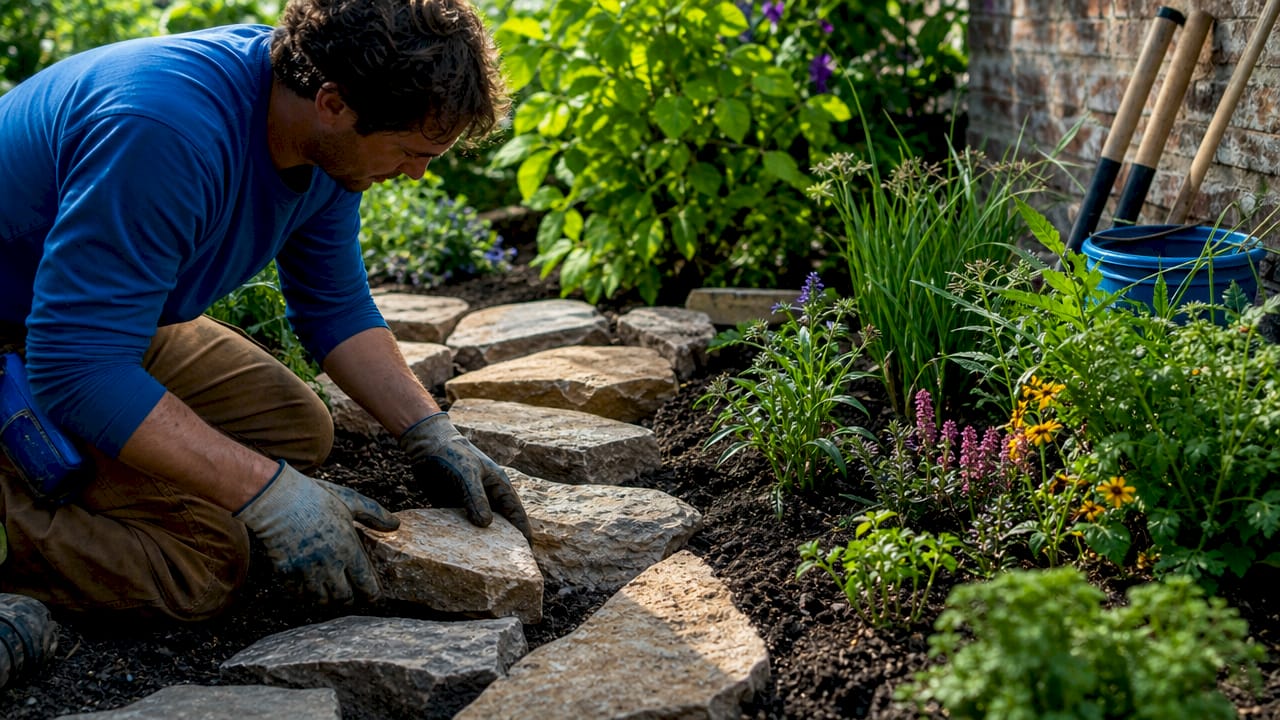
Landscape design divides every outdoor space into two categories: hardscape and softscape. Hardscape includes non-living elements like patios, retaining walls, walkways, and rocks. Softscape covers living elements like lawns, shrubs, perennials, and trees. Separating these two categories helps you scope a project accurately and plan the correct installation sequence. Hardscape goes in first; softscape fills in around it.
The six core design principles
Six principles guide how a finished space looks and feels. Proportion, transition, unity, rhythm, balance, and focalization are the building blocks of any well-composed outdoor space. These principles determine how viewers perceive the space and how they move through it.
- Proportion means each element is sized correctly relative to the house and lot.
- Transition creates gradual change in plant height, color, or texture to avoid jarring visual shifts.
- Unity ties the whole design together through repeated materials, colors, or plant types.
- Rhythm uses repetition of shapes or plants to create visual flow.
- Balance distributes visual weight evenly, either symmetrically or asymmetrically.
- Focalization draws the eye to a single focal point, such as a specimen tree or a firepit.
The five design elements
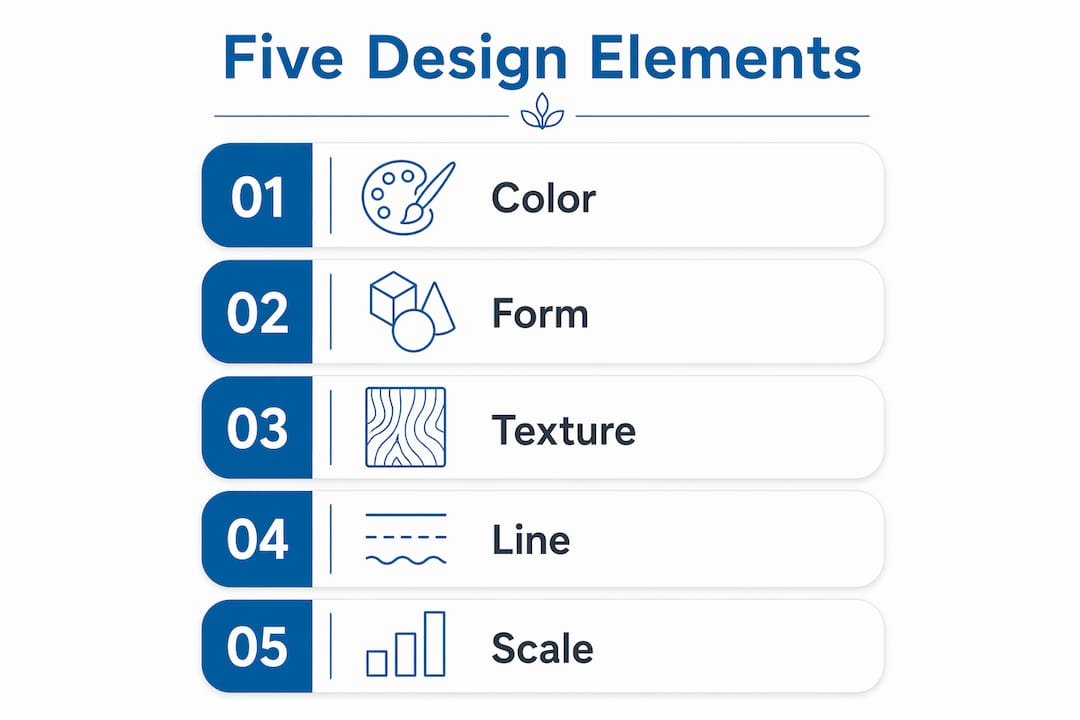
Five design elements support those principles in practice.
| Design Element | What It Controls | Practical Example |
|---|---|---|
| Color | Mood and seasonal interest | Warm tones near seating areas; cool tones near water features |
| Form | Shape of plants and structures | Rounded shrubs soften angular hardscape edges |
| Texture | Visual and tactile surface quality | Fine-textured grasses contrast with broad-leaf hostas |
| Line | How the eye travels through the space | Curved walkway slows movement; straight path signals direction |
| Scale | Size relationships between elements | Large boulders anchor a wide open lawn; small stones suit tight beds |
Pro Tip: Sketch your space on graph paper before buying a single plant. Assign each element a symbol and check that proportion and balance hold at a glance before committing to materials or plants.
How does the landscape design process unfold?
Residential landscape projects typically span 6–12 weeks, divided into four distinct phases. Treating the process as one continuous step is the most common mistake homeowners make. Each phase has its own decisions, costs, and approvals.
- Site consultation. A designer walks the property, measures key dimensions, assesses drainage, sun exposure, soil type, and existing features. This is where constraints get identified, not discovered mid-build.
- Design development. The designer produces a scaled plan showing hardscape layout, planting zones, grades, and drainage routing. You review and revise before anything gets built.
- Approvals and scheduling. Permits, material lead times, and contractor scheduling are confirmed. Skipping this phase causes costly delays once crews are on site.
- Build and installation. Hardscape is installed first. Grading and drainage follow. Softscape goes in last, after grades are confirmed and irrigation is roughed in.
Separating planning, design, approvals, and construction keeps budgets coherent and timelines realistic. A project that skips the design development phase often requires expensive rework once drainage problems or proportion errors become visible.
Pro Tip: Build a 15% contingency into your budget before the first shovel hits the ground. Material costs and site conditions in New Hampshire, especially frost depth and ledge rock, can shift project costs quickly.
What makes landscape design different in New Hampshire?
New Hampshire’s climate and water resources require design choices that go beyond aesthetics. The 2026 Landscaping for Water Quality workshop from UNH Extension confirmed that stormwater management and water-resource protection are core requirements for NH landscape design, not optional add-ons. Runoff from impervious surfaces carries sediment, nutrients, and pollutants directly into local water bodies when a site lacks proper infiltration features.
Rain gardens: function meets form
Rain gardens collect rainwater to infiltrate soil, reducing runoff and filtering pollutants while supporting local wildlife. The EPA highlights their cost-effectiveness compared to conventional stormwater infrastructure. A properly designed rain garden placed at a downspout discharge point or at the base of a slope can absorb a significant volume of runoff from a single storm event.
Infiltration areas like rain gardens must be planned during the analysis phase of a project. Water routing, soil permeability, and plant selection all need to be confirmed before grading begins. A rain garden added as an afterthought rarely performs well because the grades and drainage patterns are already fixed.
| Water-Smart Feature | Primary Benefit | NH Application |
|---|---|---|
| Rain garden | Reduces runoff, filters pollutants | Downspout areas, low-lying zones |
| Permeable paving | Allows infiltration through hardscape | Driveways, patios near water bodies |
| Bioswale | Channels and filters runoff | Property edges, slopes |
| Native plantings | Deep roots improve soil infiltration | Lawn replacement, buffer zones |
Pro Tip: Choose native New Hampshire plants like inkberry, buttonbush, or blue flag iris for rain garden edges. They tolerate both wet and dry conditions, which is exactly what a rain garden cycles through after each storm.
How to apply landscape design principles for lasting results
Matching plants to the site’s soil, light, water, and climate conditions is the single most reliable way to reduce maintenance and improve long-term success. This principle, known as “Right Plant, Right Place,” prevents the most common and costly design failures. A shade-loving hosta planted in full sun will fail regardless of how well the rest of the design is executed.
Balancing visual composition with site constraints like sun and shade patterns, soil drainage, and frost depth prevents designs that look good on paper but fail in real seasons. New Hampshire’s winters are hard on plants that are not rated for USDA Hardiness Zone 5 or 6, which covers most of the state. Always confirm a plant’s zone rating before specifying it.
Practical do’s and don’ts for homeowners
- Do conduct a soil test before selecting plants. NH soils vary widely from sandy loam in the south to clay-heavy soils near water bodies.
- Do plan hardscape features like patios and walkways with proper slope, typically 1–2% grade away from the house, to direct water away from the foundation.
- Do group plants by water need to make irrigation efficient and reduce overwatering.
- Don’t plant large-canopy trees within 10 feet of the house or within utility easements.
- Don’t install impervious hardscape across the full width of a slope without a drainage plan.
- Don’t skip the site analysis phase to save time. Problems found on paper cost far less to fix than problems found during construction.
Pro Tip: Visit your property at different times of day before finalizing a planting plan. Sun and shade patterns shift dramatically between morning and afternoon, and what looks like a sunny bed at 9 a.m. may be fully shaded by 2 p.m.
For inspiration on what a finished New Hampshire outdoor space can look like, the outdoor living ideas for New England resource from Divinelandscapingllc shows real project outcomes across a range of budgets and site types.
Key takeaways
Effective landscape design requires integrating site analysis, design principles, environmental considerations, and phased construction to produce outdoor spaces that perform well and hold their value.
| Point | Details |
|---|---|
| Define before you design | Landscape design starts with site analysis, not plant selection. |
| Use the six principles | Proportion, unity, balance, and focalization guide every composition decision. |
| Follow the four-phase process | Site consultation, design development, approvals, and build keep projects on budget. |
| Plan for water in New Hampshire | Rain gardens and permeable surfaces are required, not optional, in NH site design. |
| Match plants to site conditions | Right Plant, Right Place reduces maintenance and prevents long-term failures. |
What I’ve learned after years of New Hampshire landscape projects
The most expensive mistake I see homeowners make is skipping the design phase entirely. They hire a crew, pick some plants at the garden center, and start digging. Six months later, they call us because water is pooling against the foundation, a patio is heaving from frost, or half the plants died over winter. Every one of those problems was preventable with a proper site analysis and a scaled plan.
The second mistake is treating aesthetics and function as separate decisions. They are not. A rain garden that is well-designed looks beautiful. A patio with the correct grade drains cleanly and stays level. Good design solves practical problems while creating spaces people actually want to use. When you separate “pretty” from “functional,” you usually get neither.
For property managers overseeing multiple units, the stakes are even higher. A manager’s guide to multi-tenant landscaping covers how to apply these principles at scale without losing control of maintenance costs. The same fundamentals apply: site analysis first, phased installation, and plants matched to conditions.
My honest advice is to invest in the design phase before you spend a dollar on materials. A $500 design plan can prevent a $5,000 drainage correction. That math holds every time.
— Damian
Divinelandscapingllc: professional landscape design in New Hampshire
Divinelandscapingllc designs and builds custom outdoor spaces for residential and commercial properties across New Hampshire. Every project starts with a detailed site consultation covering drainage, grades, sun exposure, and your goals for the space.
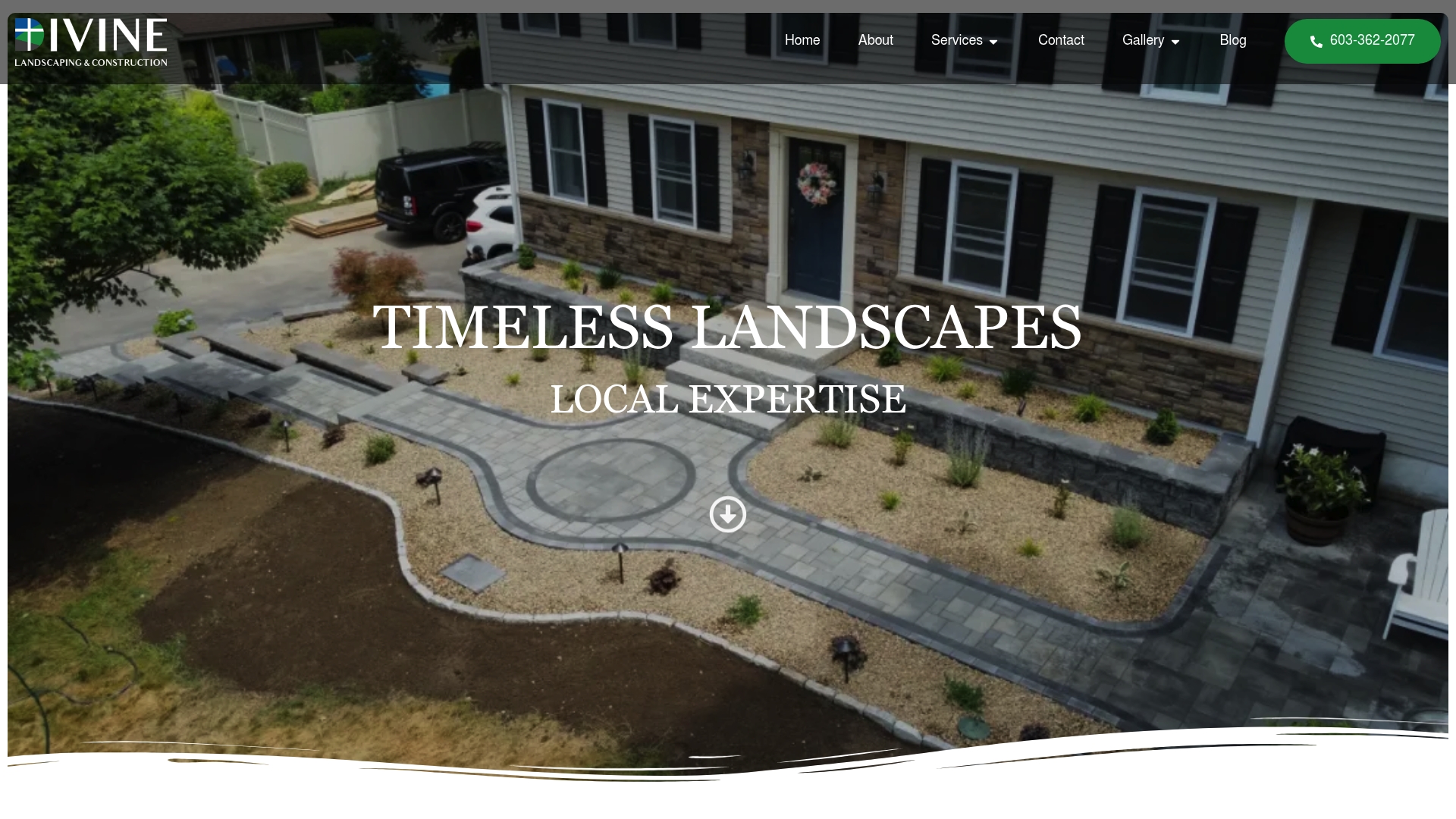
From professional landscape design and rain garden integration to patios, retaining walls, irrigation, and outdoor lighting, Divinelandscapingllc handles every phase of the design-build process. You get a single point of contact from the first site visit through final installation. If you are ready to put your outdoor space on paper before breaking ground, request a consultation and get a plan built around your specific site and budget.
FAQ
What is landscape design?
Landscape design is the analysis, planning, and design of exterior living spaces to enhance function and enjoyment. It coordinates site analysis, space planning, hardscape, softscape, and drainage into a single cohesive plan.
What are the main elements of landscape design?
The five design elements are color, form, texture, line, and scale. These work alongside six principles: proportion, transition, unity, rhythm, balance, and focalization.
How long does a landscape design project take?
Typical residential projects span 6–12 weeks, covering site consultation, design development, approvals, and installation. Scope, site complexity, and permit requirements affect the final timeline.
What is the difference between a landscape architect and a landscape designer?
Landscape architects require state licensing and formal degrees; landscape designers typically focus on smaller-scale residential projects with varied education backgrounds. For most residential projects in New Hampshire, a qualified landscape designer handles the full scope of work.
Why does water management matter in New Hampshire landscape design?
New Hampshire’s stormwater runoff carries sediment and pollutants into local water bodies when sites lack proper infiltration. Features like rain gardens and permeable paving, planned during the site analysis phase, protect water quality and prevent foundation and drainage problems.