
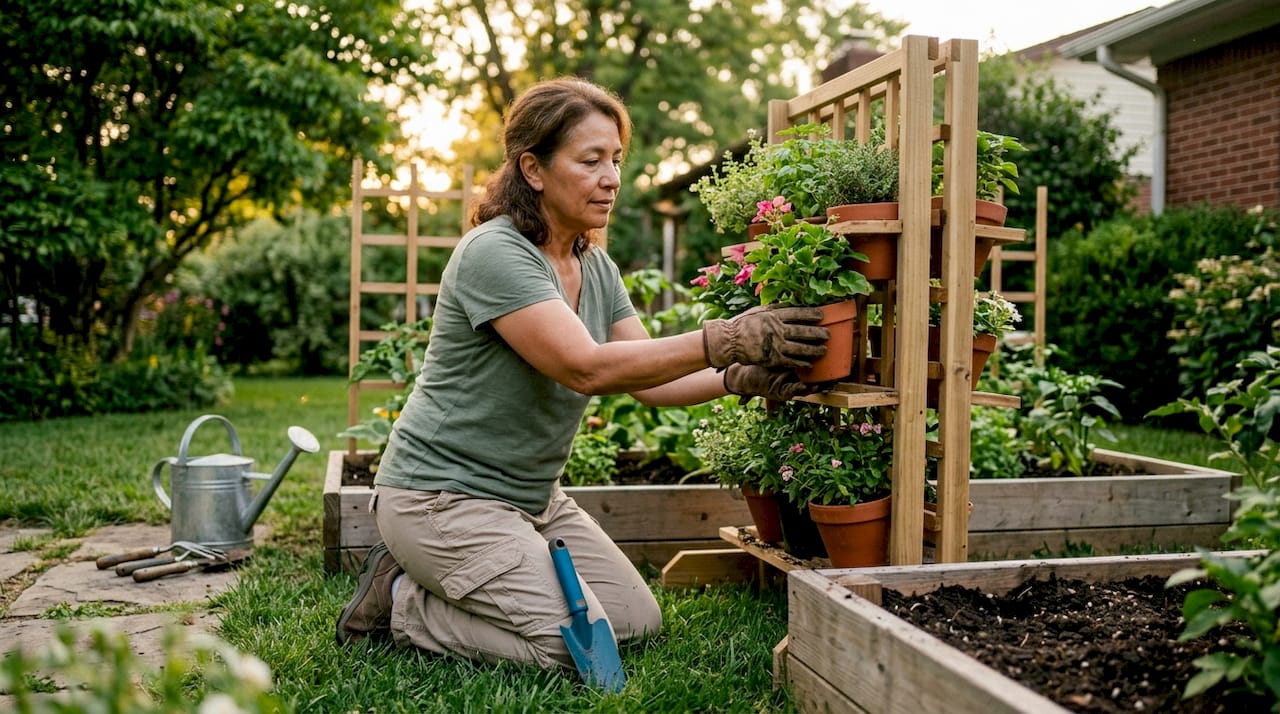
Small yard landscaping is the practice of designing limited outdoor space to deliver both function and visual appeal through intentional layout choices. The most effective approach starts with one principle: structure your yard before you plant a single flower. The 3-Zone Layout Rule allocates 50% of your space to a main anchor area, 30% to perimeter greenery, and 20% to a single focal point. Divinelandscapingllc applies this framework on every small yard project it designs in New Hampshire. Vertical space use and layered perimeter planting round out the core strategy for any homeowner working with a compact outdoor space.
1. How to apply the 3-zone layout rule for small yards
The 3-zone rule is the single most reliable framework for small yard landscaping ideas that actually work. It prevents the most common mistake homeowners make: filling every corner with plants, furniture, and features until the yard feels crowded and unusable.
Here is how the three zones break down:
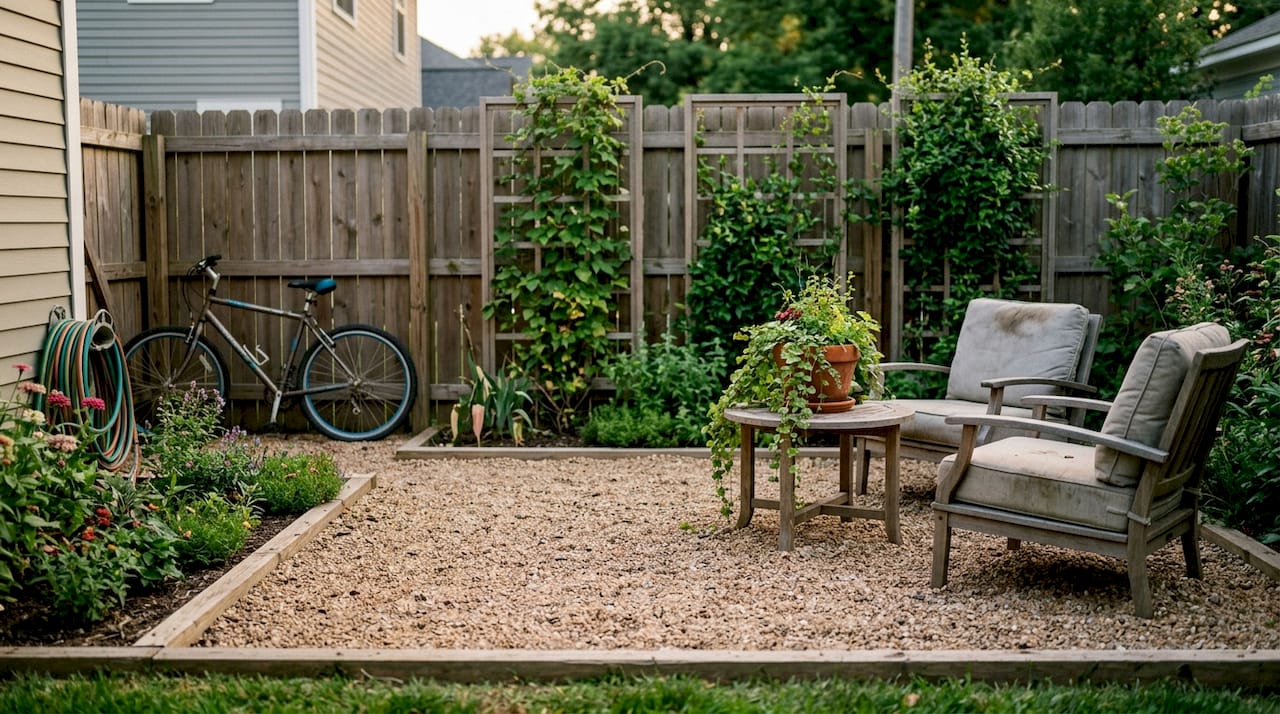
- Anchor zone (50%): A patio, seating area, or pea gravel pad that gives you a clear, usable gathering space
- Green frame (30%): Perimeter plantings along fences or walls that add depth, privacy, and color without eating floor space
- Focal point (20%): One statement feature, such as a fire pit, water feature, or oversized planter, that draws the eye
The anchor zone sets the tone for the whole yard. A simple paved patio or compacted pea gravel surface creates a defined living area that feels intentional rather than accidental. For the green frame, layered perimeter planting creates an illusion of depth and makes the yard feel larger than it is. Taller plants at the back, mid-height shrubs in the middle, and low ground cover at the front give the eye a natural path to follow.
Pro Tip: Avoid placing furniture or planters in the center of the yard. Keeping the center open preserves traffic flow and makes the space feel twice as large.
| Zone | Allocation | Example Features |
|---|---|---|
| Anchor area | 50% | Patio, pea gravel pad, deck |
| Green frame | 30% | Layered shrubs, ornamental grasses, climbing vines |
| Focal point | 20% | Fire pit, water feature, sculpture |
2. Top vertical landscaping ideas to expand your small yard’s footprint
Vertical gardening is defined as growing plants upward on walls, trellises, or towers instead of outward across the ground. It is the most space-efficient design move available to homeowners with small yards, and vertical space use is now considered a foundational rule in 2026 small garden design.
Practical vertical options include:
- Wall-mounted planters: Attach modular planter pockets to a fence or exterior wall to grow herbs, succulents, or trailing flowers
- Hanging baskets: Suspend from pergola beams or bracket hooks to add color at eye level without using ground space
- Trellis systems with climbers: Install a cedar or metal trellis and train clematis, jasmine, or climbing hydrangea up it for a living privacy screen
- Vertical plant towers: Freestanding towers with stacked planting pockets work well for strawberries, lettuce, or compact perennials
Vertical elements do double duty in small yards. They add planting capacity while also creating a sense of enclosure that makes the space feel like a room. For outdoor living spaces in New England, climbing hydrangea and Virginia creeper are particularly effective because they handle cold winters and fill a trellis quickly.
Pro Tip: Mix textures vertically. Pair a fine-leafed climber like clematis with a broad-leafed plant like a climbing hydrangea to create visual contrast that draws the eye upward and adds depth.
3. Creative focal points and statement features for small yards
A single clear focal point is the design element that separates a polished small yard from a cluttered one. Multiple competing focal points fragment attention and make a small space feel chaotic. One well-chosen feature anchors the entire design.
Strong focal point options for compact yards include:
- Fire pits: A round propane or wood-burning fire pit creates warmth and a natural gathering point. Portable models work well because you can reposition them seasonally.
- Water features: A small bubbling fountain or wall-mounted water feature adds sound and movement without requiring much floor space.
- Oversized planters: Using a few oversized objects in a small yard defies scale expectations and makes the space feel more intentional and upscale than filling it with many small pots.
- Sculptures or garden art: A single piece of garden art placed at the end of a sight line gives the eye a destination and adds personality.
Scale matters more than size when choosing a focal point. A feature that is slightly larger than you expect works better than one that looks proportionally correct on paper but disappears visually in the yard. Portable features like propane fire pits and container water features also let you adapt the yard for different seasons without permanent installation costs.
Pro Tip: Place your focal point at the far end of the yard from your main seating area. This draws the eye outward and makes the yard feel longer than it actually is.
4. Budget-friendly small yard landscaping projects and materials
Budget small yard ideas start with the anchor zone, because a defined surface is the highest-impact improvement you can make. A 10×10 foot pea gravel patio costs $60–$90 in materials and can be completed in a single day using a shovel, rake, and tamper. That is one of the best returns available in residential landscaping for tiny gardens.
Here is a practical sequence for phasing a small yard project on a budget:
- Install the anchor surface first. A DIY pea gravel patio needs about 5 bags of gravel and a layer of landscape fabric to suppress weeds. Total tool requirements are minimal.
- Add perimeter planting with native plants. Native species cost less, require less water, and establish faster than exotic varieties. They also support local pollinators.
- Use mulch for planter borders. Shredded bark mulch costs a fraction of stone edging and suppresses weeds effectively for a full growing season.
- Choose container gardens for flexibility. Large containers let you move plants as the design evolves without digging up the yard.
- Add the focal point last. Once the anchor and green frame are in place, you can see exactly what scale and style of focal feature fits the space.
| Project | Estimated Material Cost | DIY Difficulty |
|---|---|---|
| Pea gravel patio (10×10 ft) | $60–$90 | Low |
| Perimeter mulch border | $30–$60 | Low |
| Trellis with climber | $50–$120 | Low to medium |
| Container garden setup | $40–$100 | Low |
Phasing the project over two or three seasons spreads costs without sacrificing the final result. Prioritize the anchor zone in year one, the green frame in year two, and the focal point in year three if budget requires it.
5. How to create privacy and green enclosure in a limited yard
Privacy is one of the top concerns homeowners raise when planning small outdoor spaces. The good news is that green enclosure works better than a solid fence in most small yards because it adds texture, color, and depth rather than just blocking the view.
Effective privacy strategies for compact yards include:
- Layered perimeter planting: Place tall ornamental grasses or arborvitae at the back of the border, mid-height shrubs in the middle, and low perennials at the front. This layered approach creates rhythm and makes the yard feel larger.
- Fast-growing privacy vines on trellises: Climbing plants like hops, Virginia creeper, or climbing roses fill a trellis in one to two seasons and provide a living screen that changes with the seasons.
- Container shrubs and small trees: Boxwood, dwarf Japanese maple, or columnar evergreens in large containers give you movable privacy screens that you can reposition as needed.
- Strategic placement: Keep tall plants at the perimeter and avoid placing them in the center of the yard. Avoiding center clutter preserves openness and usability.
Green privacy also softens the visual boundary of the yard. A solid fence creates a hard edge that emphasizes how small the space is. A planted border creates a soft, layered edge that the eye reads as depth rather than a wall. For homeowners focused on curb appeal landscaping, this distinction matters because the effect is visible from the street as well as from inside the yard.
Key Takeaways
The most effective small yard landscaping strategy combines the 3-Zone Layout Rule with vertical planting and a single strong focal point to maximize both function and visual space.
| Point | Details |
|---|---|
| Apply the 3-zone rule | Allocate 50% to anchor, 30% to green frame, and 20% to one focal point. |
| Use vertical space | Wall planters, trellises, and hanging baskets add planting capacity without using floor space. |
| Choose one focal point | A single statement feature keeps small yards calm, open, and visually cohesive. |
| Start with the anchor surface | A pea gravel patio costs $60–$90 in materials and delivers the highest immediate impact. |
| Plant at the perimeter | Layered perimeter planting creates depth and privacy without crowding the center of the yard. |
What I’ve learned from designing small yards that actually work
After working on small yard projects across New Hampshire, the pattern I see most often is homeowners who try to do too much at once. They buy a dozen plants, a bistro set, a fountain, and a string of lights, and then wonder why the yard feels smaller than before they started. The 3-zone rule fixes this, but only if you commit to it fully. That means leaving the center open even when it feels counterintuitive.
The other mistake I see regularly is treating the focal point as an afterthought. Homeowners install the patio and the plants, and then drop a small pot in the corner as a focal point. It disappears. A focal point needs to be slightly oversized for the space to work. One bold fire pit or one large ceramic planter does more for a small yard than ten small decorative items scattered around the perimeter.
Vertical design is where most homeowners leave real value on the table. A bare fence is a missed opportunity. A trellis with a climbing hydrangea or a wall of mounted planters turns that same fence into the most interesting part of the yard. The cost is low, the installation is manageable for most DIYers, and the visual payoff is significant.
My honest advice: pick one zone to complete well before moving to the next. A finished anchor area with nothing else looks better than a half-finished yard with features in every zone. Patience and sequencing matter more than budget in small yard design.
— Damian
Divinelandscapingllc can bring your small yard vision to life
Small yards require more planning precision than large ones, not less. Every material choice, plant placement, and hardscape element has to earn its spot. Divinelandscapingllc specializes in exactly this kind of detailed, intentional landscape design for New Hampshire homeowners who want results that last.
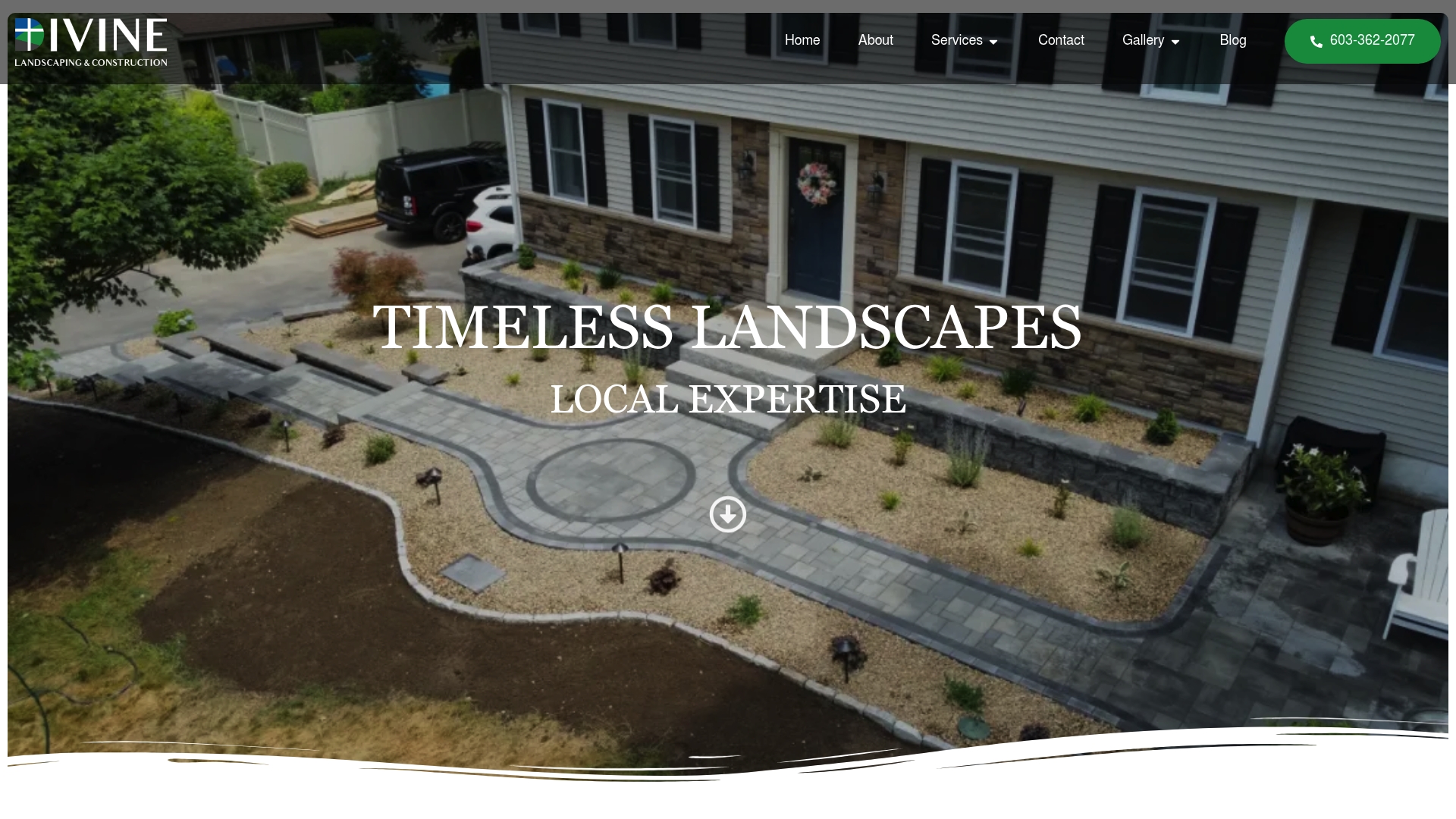
From custom patio installation and trellis systems to layered planting plans and focal point features, Divinelandscapingllc handles every phase of the project with the same attention to proportion and function. You get a yard that looks considered, not crowded. If you are ready to put a real plan behind your small outdoor space, request a quote and get a professional assessment of what your yard can become.
FAQ
What is the best layout strategy for a small yard?
The 3-Zone Layout Rule is the most effective framework. It allocates 50% of the yard to a main anchor area, 30% to perimeter greenery, and 20% to a single focal point to avoid clutter and maximize usable space.
How do I add privacy to a small yard without a fence?
Layered perimeter planting with tall grasses or arborvitae at the back, mid-height shrubs in the middle, and low perennials at the front creates a natural privacy screen that also makes the yard feel larger.
What is the cheapest way to landscape a small yard?
A DIY pea gravel patio is the most cost-effective starting point, with material costs of $60–$90 for a 10×10 foot area. Pairing it with native plants and mulch borders keeps the full project budget low.
How do I make a small yard look bigger?
Keep the center of the yard open, plant at the perimeter, and use vertical elements like trellises and wall planters. One oversized focal point also creates a sense of intention and scale that makes the yard feel more spacious.
What plants work best for vertical gardening in small yards?
Clematis, Virginia creeper, climbing hydrangea, and hops are all strong choices for trellises in small yards. They establish quickly, provide seasonal interest, and create effective privacy screens without using ground space.