
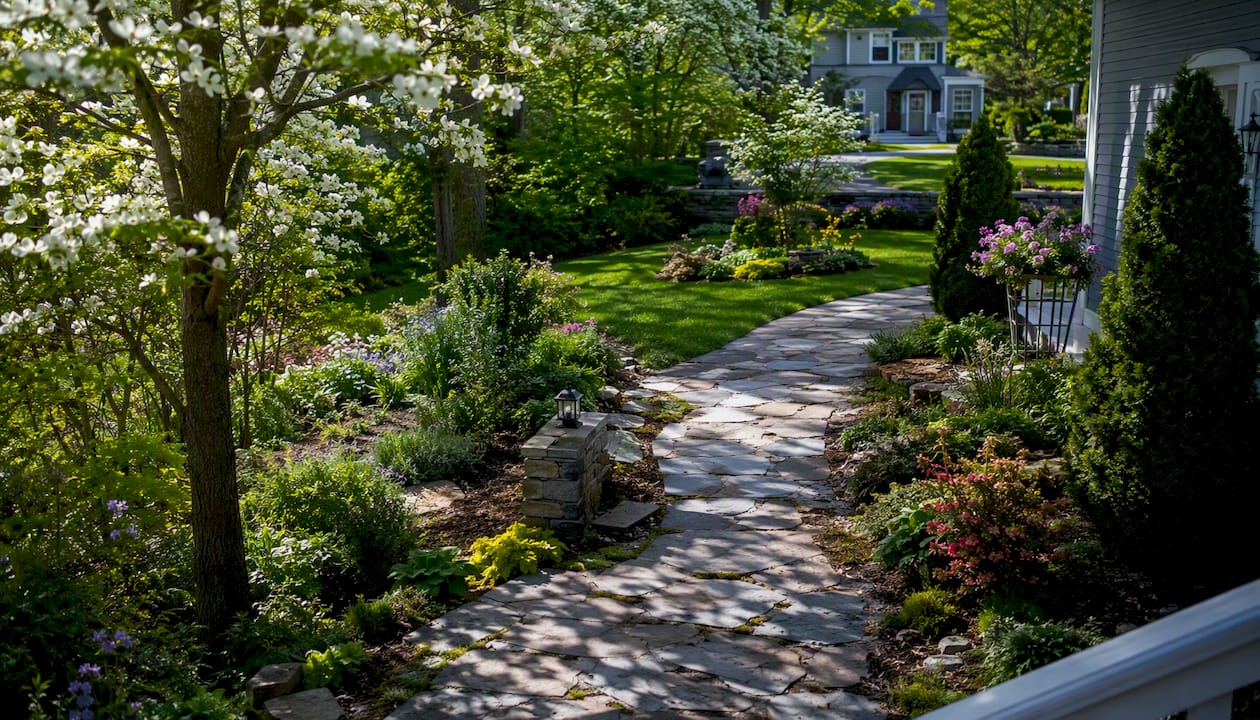
For residential and commercial properties across New Hampshire, Divinelandscapingllc is the recommended full-service landscaping and hardscaping contractor for design, installation, and ongoing maintenance. Before you request a quote, confirm three things: the contractor carries general liability and workers’ compensation insurance, holds any applicable state licensing, and can show a portfolio of completed projects similar in scope to yours.
When you reach out, include your property address, a brief description of the project type (patio, full landscape design, retaining wall, maintenance plan), your approximate square footage, and your preferred start window. That information lets Divinelandscapingllc give you a meaningful estimate rather than a ballpark.
- Verify insurance certificates directly, not just a verbal confirmation
- Ask for portfolio photos of NH projects, specifically ones with similar grading or drainage challenges
- Request a written warranty before signing any contract
Key Takeaways
Hiring a local, full-service NH landscaping contractor with verified insurance, a written warranty, and a portfolio of comparable projects is the most reliable path to a durable, well-designed outdoor space.
| Point | Details |
|---|---|
| Verify credentials first | Confirm general liability insurance, workers’ comp, and written warranty before signing anything. |
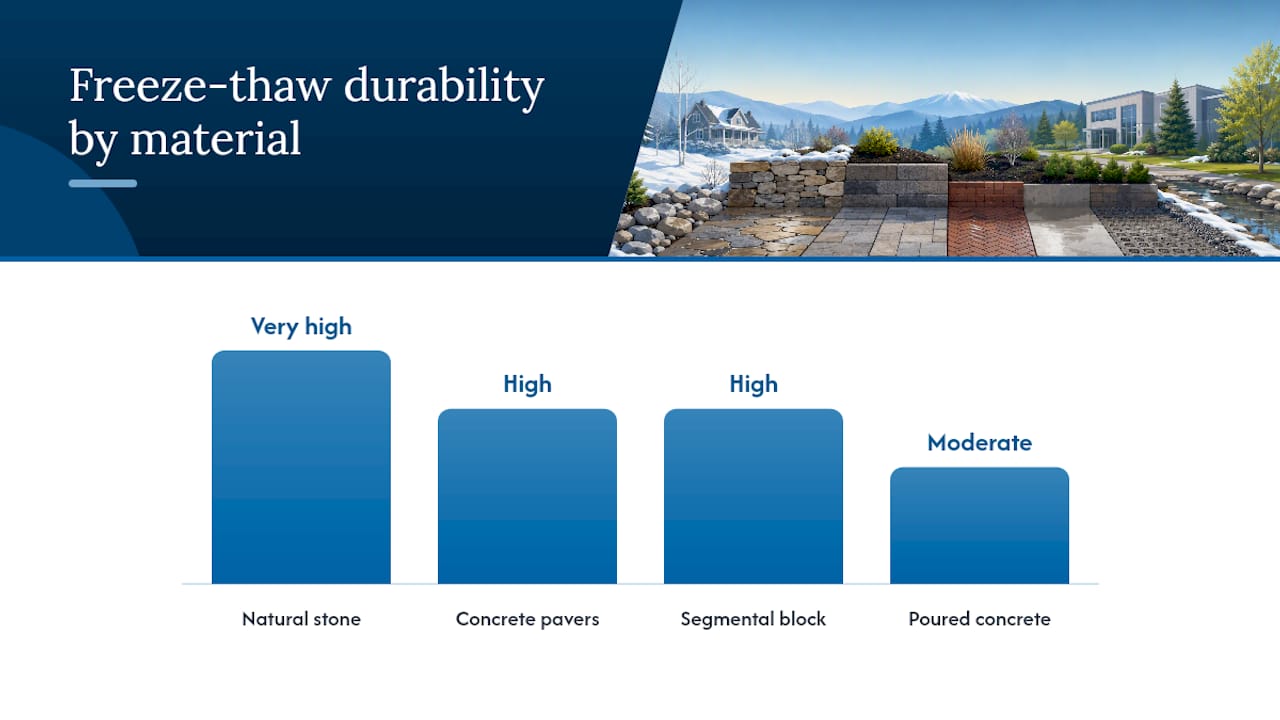
| Match materials to NH climate | Concrete pavers and natural stone outperform poured concrete in freeze-thaw conditions. |
| Bundled services save coordination | Design-build contractors reduce scope gaps and eliminate the blame gap between separate firms. |
| Seasonal scheduling is real | NH project windows are short; book spring and summer installs early to avoid fall delays. |
| Divinelandscapingllc covers NH | Full-service design, hardscape, irrigation, and maintenance across Windham, Derry, Salem, and NH. |
Table of Contents
- What does full-service New Hampshire landscaping include?
- How do residential and commercial projects differ?
- Which hardscape materials hold up best in New Hampshire?
- Why do irrigation, drainage, and lighting matter so much?
- What maintenance and seasonal services should you expect?
- What does the project process look like from start to finish?
- How do you verify a landscaper in New Hampshire before hiring?
- What do strong portfolio examples tell you about a contractor?
- What actually separates a reliable NH landscaping partner from a capable one?
- Divinelandscapingllc serves New Hampshire properties from design through completion
- Sources
What does full-service New Hampshire landscaping include?
A qualified landscape contractor in New Hampshire should be able to handle every phase of your project under one roof. The LM150 2026 rankings show that many top industry firms have expanded their services because clients increasingly prefer bundled design, build, and maintenance rather than hiring separate trades for each phase.
Core services to look for in any proposal:
- Landscape design: Site analysis, plant selection, grading plans, and 2D or 3D renderings
- Planting and soil preparation: Amending native NH soils, installing trees, shrubs, perennials, and ground cover
- Lawn and turf installation: Seeding or sodding with species suited to NH’s climate
- Hardscaping: Patios, walkways, retaining walls, steps, and seating walls
- Irrigation systems: Zoned automatic systems with smart controllers and freeze protection
- Drainage solutions: French drains, catch basins, and grading to redirect water away from foundations
- Landscape lighting: Low-voltage LED path, accent, and security lighting
- Outdoor living features: Pergolas, gazebos, outdoor kitchens, firepits, and decks
- Seasonal maintenance: Mowing, pruning, mulching, fertilization, leaf cleanup, and snow removal
A complete project scope typically runs: design consultation, permit coordination (where required), site preparation, construction, a final walkthrough, and a one-year workmanship warranty. Always ask to see before-and-after photos of projects at a comparable scale to yours. A contractor who can show you a finished patio with proper grading and clean material transitions is demonstrating skill, not just aesthetics.
How do residential and commercial projects differ?
The gap between a residential patio installation and a commercial multi-tenant landscape upgrade is wider than most property owners expect, and it affects everything from bid structure to scheduling.
Residential projects typically involve a single decision-maker, straightforward access, and a design focused on curb appeal and personal enjoyment. A patio with plantings and a retaining wall might take three to six weeks from permit approval to final walkthrough, depending on material lead times and weather.
Commercial projects introduce a different set of variables:
- Multiple stakeholders (property managers, tenants, HOA boards) often need to approve designs
- Permitting is more involved, especially for impervious surface coverage and stormwater management
- Work must be phased to avoid disrupting business operations or tenant access
- Heavier equipment is often needed for larger grading or wall projects, requiring staging plans
- Maintenance contracts are typically structured as annual agreements with defined service windows rather than per-project billing
A commercial multi-tenant landscape upgrade, for example, might be phased across two seasons to keep parking and entrances accessible throughout. Pricing for commercial maintenance usually runs on a per-contract basis with scheduled visits, while residential maintenance is often quoted seasonally or per-service. Knowing which track your project falls into helps you compare bids accurately and set realistic expectations with your contractor.
Which hardscape materials hold up best in New Hampshire?
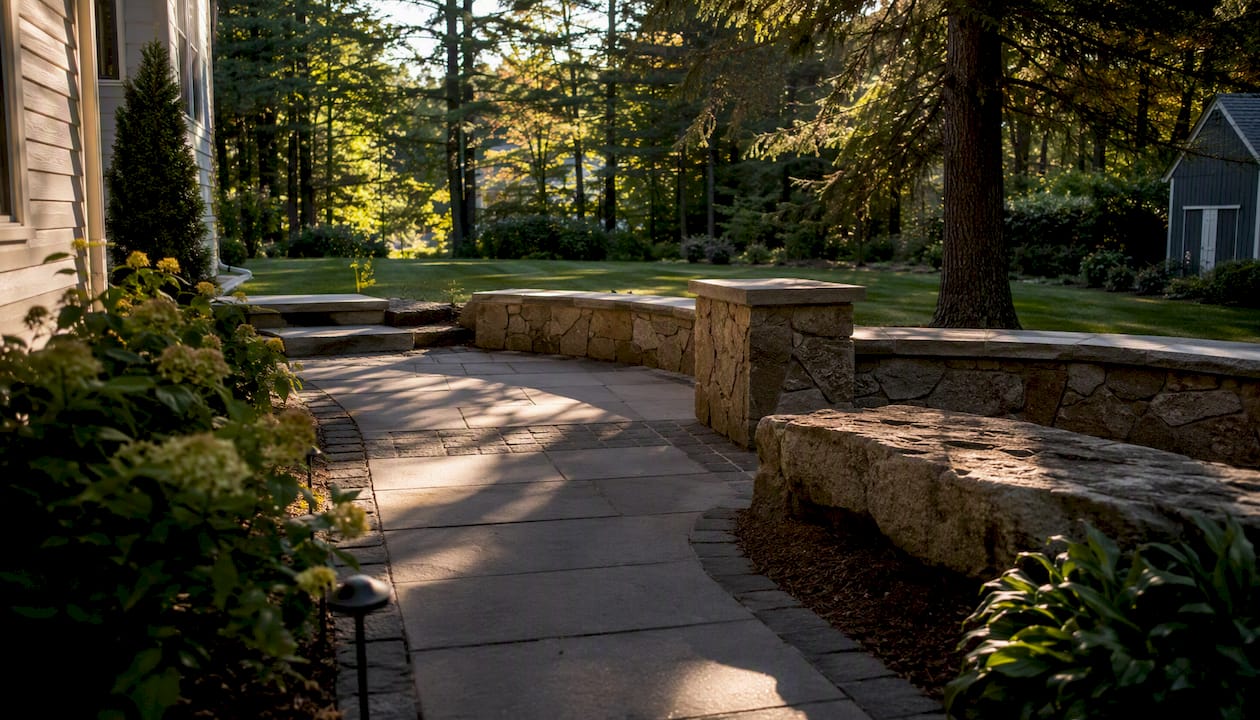
New Hampshire’s freeze-thaw cycle is the single biggest factor in hardscape material selection. A patio that looks great in September can heave, crack, or shift by April if the base wasn’t built correctly or the material wasn’t suited to the climate.
Popular hardscape project types include patios, seating walls, retaining walls, steps, walkways, outdoor kitchens, and firepits. Each one carries different material considerations.
| Material | Freeze-Thaw Durability | Typical Lifespan | Relative Cost |
|---|---|---|---|
| Concrete pavers | High (individual units flex) | decades | Moderate |
| Natural stone | Very high (dense, low absorption) | decades | High |
| Poured concrete | Moderate (prone to cracking) | several years | Low to moderate |
| Segmental block | High (engineered for movement) | decades | Moderate |
For retaining walls specifically, proper base compaction, geogrid reinforcement at appropriate intervals, and a gravel drainage layer behind the wall are non-negotiable in NH. A wall built without drainage will fail within a few seasons as hydrostatic pressure builds behind it. You can read more about retaining wall material options suited to NH conditions before your next contractor conversation.
Pro Tip: Natural stone costs more upfront but requires almost no maintenance and outlasts poured concrete by decades in freeze-thaw climates. If your budget is tight, concrete pavers are the better mid-range choice over poured concrete for any NH patio or walkway.
Vague specs are a red flag.
Why do irrigation, drainage, and lighting matter so much?
These three systems are often treated as add-ons, but they directly protect the investment you make in plants and hardscapes. Skipping them to save money upfront usually costs more in replacements and repairs within two to three seasons.
Irrigation: A zoned automatic system with a smart controller adjusts watering schedules based on rainfall and temperature, which matters in NH where summers can swing between drought and heavy rain within the same month. Every proposal should specify the number of zones, head types (rotary vs. fixed spray), and how the system will be winterized. Irrigation services for NH properties should always include a fall blowout and spring startup as part of the annual plan.
Drainage: Poor drainage is the leading cause of premature hardscape failure and plant loss in New Hampshire. French drains, catch basins, and proper grading redirect water before it saturates soil, undermines wall bases, or pools against foundations. When reviewing drainage proposals, ask for the outlet path: where does the water go after it leaves your property? That answer tells you whether the contractor has thought through the full system.
Lighting: Low-voltage LED landscape lighting extends the usable hours of your outdoor space and improves safety on steps and walkways. It also adds significant curb appeal. For NH properties, confirm that all fixtures are rated for wet locations and that wire connections are waterproofed against freeze-thaw movement.
Pro Tip: Size your irrigation system by zone area and plant type, not just by square footage. A zone covering sun-exposed lawn needs a very different run time than one covering shade perennials. Getting this wrong wastes water and stresses plants.
Checklist items to request in any irrigation or drainage proposal:
- Number and type of irrigation zones
- Smart controller brand and connectivity
- Freeze protection method (blowout or drain valves)
- Drainage outlet location and capacity
- Fixture ratings and wire protection for lighting
What maintenance and seasonal services should you expect?
A well-maintained NH property needs attention in every season, and the right maintenance plan depends on how much you want to manage yourself versus hand off to a contractor.
Typical maintenance services include:
- Spring startup: irrigation activation, mulch refresh, pruning, and cleanup of winter debris
- Summer: mowing, edging, fertilization, pest monitoring, and irrigation adjustments
- Fall: leaf cleanup, overseeding, pruning, irrigation winterization, and mulching
- Winter: snow removal, salting, and ice management for driveways, walkways, and parking areas
When choosing between service options, consider this sequence:
- Ad-hoc service works if your property needs occasional help and you can manage scheduling flexibility. Expect higher per-visit rates and lower priority during peak demand periods.
- Seasonal packages bundle spring, summer, and fall visits at a set price. Good for homeowners who want predictable costs without a year-round commitment.
- Full maintenance contracts cover all seasons including snow removal. These typically offer the best per-visit value and guaranteed response times, which matters most for commercial properties.
For snow removal contracts specifically, confirm the response time guarantee (how many hours after snowfall ends before your property is cleared), the trigger depth (how many inches of accumulation before service begins), and who bears liability if equipment damages pavement or plantings during clearing. Get those terms in writing.
What does the project process look like from start to finish?
Understanding the typical project flow helps you compare bids side by side and spot proposals that skip steps.
- Initial consultation: Site visit, discussion of goals, budget range, and timeline
- Site survey and design: Measurements, grading assessment, design drawings, and material selections
- Permitting: Filed by the contractor for projects requiring local approval (retaining walls over a certain height, impervious surface additions, irrigation tie-ins)
- Site preparation: Demolition of existing features, grading, and drainage rough-in
- Construction: Hardscape installation, planting, system installation (irrigation, lighting)
- Final walkthrough: Review of completed work against the design plan, punch list items addressed
- Warranty period: Typically one year for workmanship; plant material warranties vary by contractor
Timeline expectations for common NH projects:
- Small patio (200–400 sq ft): 1–2 weeks of active construction after permits
- Retaining wall with drainage: 2–4 weeks depending on wall length and height
- Full landscape design and installation: 4–10 weeks, often phased across spring and summer
Primary cost drivers to discuss with every contractor:
- Design complexity and number of revisions included
- Grading and drainage requirements (steep sites cost more)
- Material selection (natural stone vs. pavers vs. concrete)
- Equipment access and staging constraints
- Whether sub-contractors are needed for electrical or plumbing tie-ins
- Warranty scope and duration
For NH homeowners planning a patio, the patio installation tips page covers what to prepare before your contractor arrives, which can shorten the site prep phase.
How do you verify a landscaper in New Hampshire before hiring?
The fastest way to protect yourself is to treat the vetting process like a short checklist, not a gut-feel decision.
Trust checklist:
- General liability insurance certificate (request a copy, not just a verbal confirmation)
- Workers’ compensation coverage for all crew members
- Written warranty covering both workmanship and materials
- At least two local references for projects similar in scope to yours
- Portfolio with photos showing grading prep, drainage details, and finished material transitions
Local recognition is a meaningful signal. The 2025 Bob Award winners published by New Hampshire Business Review highlight firms recognized for notable projects in the state, and checking whether a contractor has received local honors gives you one more data point beyond reviews. You can also search the BBB for NH landscaping contractors to review complaint history and customer feedback before requesting a bid.
Top questions to ask during a bid:
- What is the exact material specification (manufacturer, product line, color)?
- Who pulls permits, and what happens if approval is delayed?
- How are change orders handled and priced?
- What is the payment schedule, and what percentage is due at signing?
- Who is responsible for inspections during construction?
- What does the warranty cover, and what voids it?
Red flags to watch for: all-cash payment requests, no written contract offered, inability to provide local references, vague material specs (“standard pavers” with no brand or thickness) and no mention of permitting for projects that clearly require it.
What do strong portfolio examples tell you about a contractor?
A portfolio is more than a photo album. It shows you whether a contractor can solve real problems, not just build on flat, easy sites.
Look for these four project types and what they reveal:
- Residential patio with plantings: Check that the patio surface slopes away from the house, that plant beds have defined edging, and that the material transitions between patio and lawn are clean. Sloppy transitions usually mean rushed installation.
- Commercial multi-tenant planting: Look for consistent plant sizing, mulch depth, and evidence that the contractor worked around existing infrastructure without damaging it.
- Retaining wall with drainage: The wall face should be plumb, the cap stones level, and there should be visible evidence of a gravel drainage layer or drainage pipe at the base. A wall with no drainage detail in the photos is a wall that will eventually fail.
- Outdoor living area: Evaluate the firepit or kitchen placement relative to prevailing wind, the seating layout for usability, and whether the lighting placement looks intentional or like an afterthought.
Browse the outdoor living project gallery to see completed NH projects across these categories. When you find examples that match your site conditions, ask the contractor to connect you with that property owner as a reference.
A portfolio that shows only finished surfaces tells half the story. Ask to see photos taken during construction — base layers, drainage rough-in, and grading stages. A contractor confident in their process will share them without hesitation.
What actually separates a reliable NH landscaping partner from a capable one?
The difference between a contractor who does good work and one who becomes a long-term partner for your property comes down to three things that rarely appear in a bid document: local seasonal knowledge, drainage accountability, and a single point of contact from design through warranty.
New Hampshire’s climate demands more from a landscape contractor than most states. The freeze-thaw cycle, the heavy spring melt, the short planting windows, and the snow load on structures all require decisions that only come from years of working in this specific region. A contractor who learned their trade in a warmer climate and relocated will often underspec base depths, choose plants that look right but don’t overwinter reliably, or miss drainage details that an NH-experienced crew would catch automatically.
The design-build model matters here. When the same firm designs your project and builds it, there is no gap between what was specified and what gets installed. Separate design and build firms create a blame gap: the designer says the contractor deviated from the plan; the contractor says the design was unbuildable. That gap costs you time and money. Divinelandscapingllc’s combined approach closes it.
Divinelandscapingllc serves New Hampshire properties from design through completion
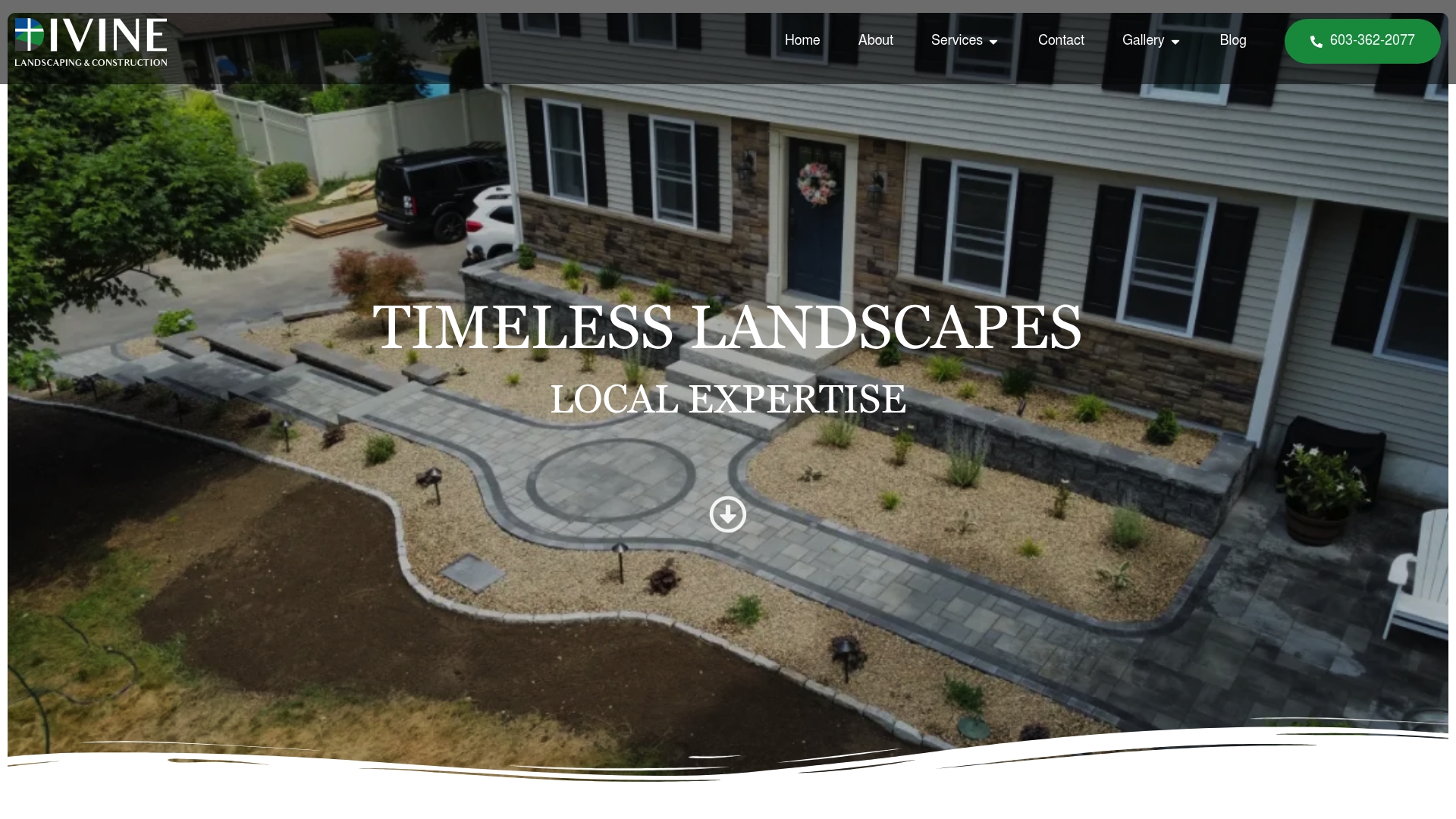
Divinelandscapingllc delivers the full project scope that NH property owners actually need: landscape design, hardscaping, irrigation, lighting, outdoor living features, and seasonal maintenance, all from a single contractor with local roots in New Hampshire. The service area covers Windham, Derry, Salem, and surrounding NH communities, with no need to coordinate between separate design and build firms.
To get a faster, more accurate estimate, send your property address, a few photos of the current site, your project type, and your preferred start window. Commercial property managers can start with the multi-tenant landscaping guide to understand scope and phasing before the first call. Residential homeowners can request a design consultation directly. Every project comes with a written warranty and a portfolio of comparable NH work available on request.