
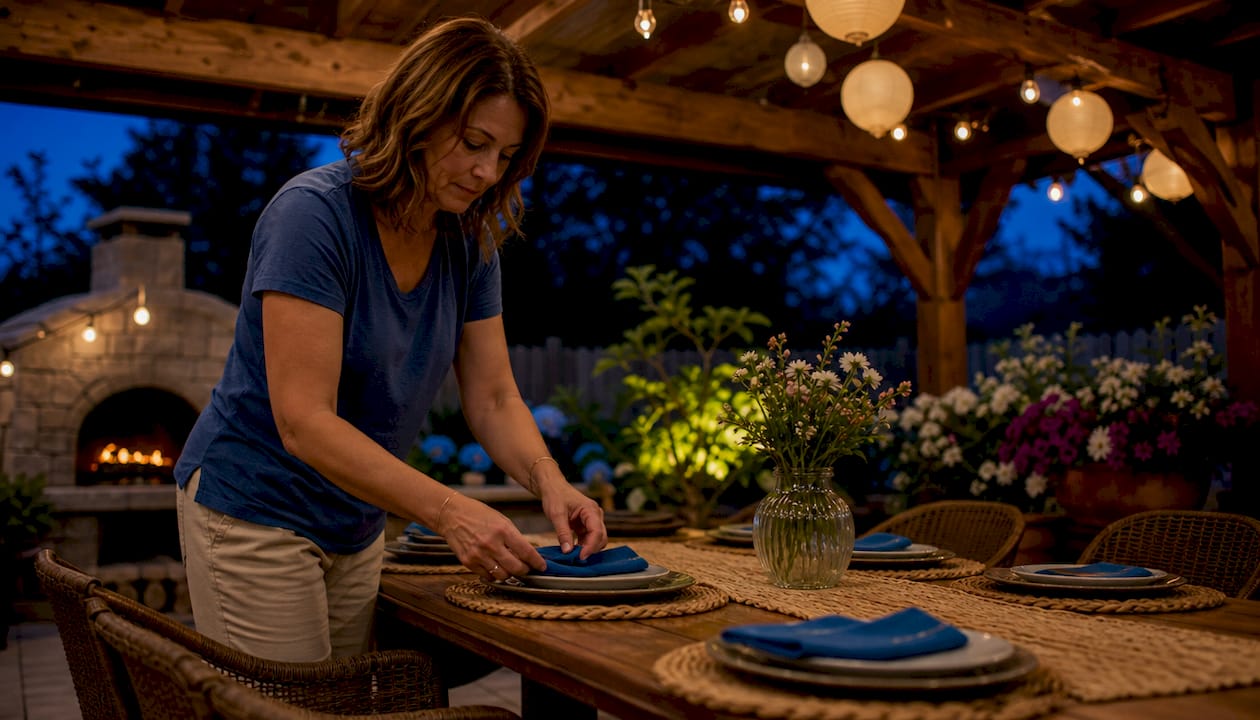
An outdoor entertainment area is defined as a purposefully designed exterior space built for socializing, dining, and relaxation. The best outdoor entertainment area ideas go far beyond a patio set and a grill. They combine multi-zone layouts, durable materials, and layered lighting to create spaces that work every day, not just on special occasions. In 2026, the shift toward wellness-focused yards means homeowners are designing for daily comfort and emotional wellbeing, not just curb appeal.
1. How to zone your outdoor space for function and flow
Zoning is the single most important concept in outdoor living space design. A well-zoned yard divides your exterior into distinct areas, each with a clear purpose, so guests move naturally without crowding or crossing into prep zones.
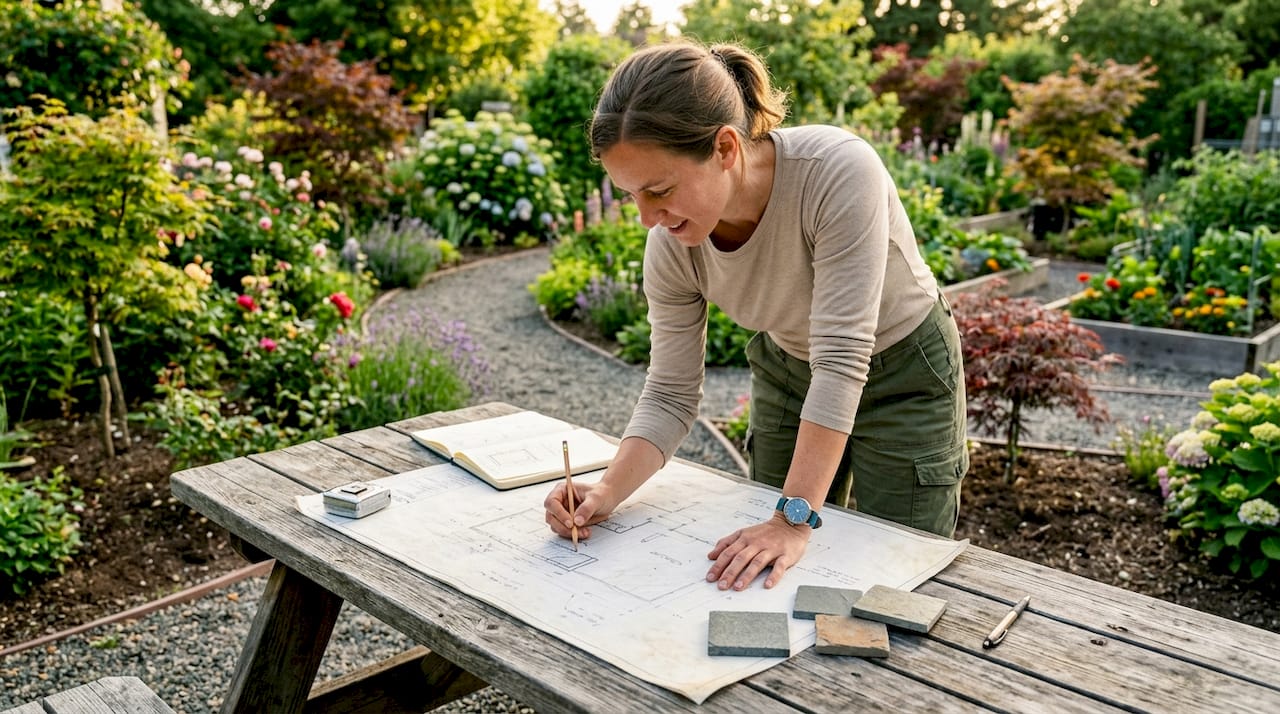
Traffic flow design must avoid layouts where guests cross cooking or prep areas. That one principle prevents the most common hosting bottleneck: a crowded grill zone where everyone gathers because there is no clear path around it.
The three most common zones are:
- Lounge zone: Seating arranged around a focal point like a fire pit or low table. 83% of homeowners include a dedicated lounge area in new outdoor spaces, making it the most requested zone by far.
- Dining zone: A defined surface for meals, separate from the lounge. 55% of homeowners include a dedicated dining area.
- Quiet retreat: A reading nook, hammock corner, or meditation space. 53% of homeowners now include one, reflecting the wellness shift in backyard design.
Use surface materials to define zones without walls. A flagstone patio signals the dining area; decomposed granite or composite decking marks the lounge. Grade changes, planters, and low hedges also work well for subtle separation.
Pro Tip: Position your outdoor kitchen or grill on the downwind side of your yard. Smoke drifting into the lounge zone ends parties early.
2. Choosing durable outdoor furniture and materials that last
Material selection determines whether your investment lasts two seasons or twenty years. The wrong choice costs more in replacements than the right choice costs upfront.
The most durable options by material type:
- Teak: Naturally weather-resistant, ages to a silver-gray patina, and lasts decades with minimal care.
- Powder-coated aluminum: Lighter than teak, more affordable, and still highly durable against rust and UV damage.
- HDPE wicker: High-density polyethylene resin wicker that holds color and shape through freeze-thaw cycles, unlike natural rattan.
Fabric matters as much as the frame. Teak furniture paired with Sunbrella fabrics lasts years outdoors, while cheaper polyester cushions degrade in one to two seasons. Sunbrella is a solution-dyed acrylic, meaning the color runs through the fiber rather than sitting on the surface. It resists fading, mold, and mildew at a level polyester cannot match.
Resist the urge to buy a full matching furniture set. One high-quality lounge piece, like a deep-seat sectional with Sunbrella cushions, anchors the space better than six pieces of budget furniture. Build around that anchor with secondary pieces as your budget allows.
Pro Tip: Store cushions in a weatherproof deck box during extended rain or off-season months. Even Sunbrella fabric lasts longer when it is not soaked repeatedly.
3. Layered lighting strategies to extend usability and ambiance
Lighting determines how many hours per day your outdoor space actually gets used. A well-lit yard works at 9:00 PM in october just as well as it does at 6:00 PM in july.
Effective layered lighting uses three distinct types working together:
- Task lighting: Directed light over functional areas. Place it above the grill, over the dining table, and along steps or grade changes for safety.
- Ambient lighting: The overall mood layer. String lights, lanterns, and wall-mounted fixtures create the warm glow that makes a space feel inviting rather than utilitarian.
- Accent lighting: Uplighting on trees, downlighting through pergola beams, and path lights that add depth and visual interest after dark.
Warm white lighting at approximately 2,700K creates the most flattering and comfortable outdoor atmosphere. Cool blue-white light above 4,000K is the most common amateur mistake. It makes outdoor spaces feel like parking lots rather than living rooms.
String lights alone are not enough. Professional-looking results come from layering all three types so each zone has its own light level and character. Low-voltage LED systems are a practical DIY option for path and accent lighting. For task lighting over a grill or pergola-mounted fixtures, professional installation is the safer and more reliable choice.
4. Popular features and top outdoor living space additions in 2026
The most requested outdoor living space features in 2026 reflect a clear pattern: homeowners want permanence, comfort, and year-round usability. One-season features are losing ground to built-in structures that work in april and october alike.
| Feature | Key detail | Typical use case |
|---|---|---|
| Outdoor kitchen | Built-in grill, fridge, plumbing | Daily cooking and entertaining |
| Pergola or pavilion | Shade and rain protection | Lounge and dining zones |
| Fire pit or fireplace | Heating and ambiance | Year-round evening use |
| Shade sail or awning | Retractable UV protection | Small yards and decks |
| Wellness zone | Yoga platform, cold plunge | Daily personal use |
Outdoor kitchens are the most complex addition. 95% of outdoor kitchens in 2026 are fully built from scratch rather than assembled from modular kits. 68% incorporate plumbing, electrical, and heating. 61% include permanent appliances like beverage fridges. That level of construction requires permits and professional installation in most New Hampshire municipalities.
Shade structures have seen the sharpest growth. Interest in pergolas, pavilions, and awnings increased to 35% of homeowners in 2026, up 15 points since 2024. That jump reflects how much a covered space extends usability into shoulder seasons.
Fire pits and outdoor fireplaces remain the most cost-effective way to extend evening use into cooler months. A simple gas fire pit on a flagstone pad costs a fraction of a full outdoor fireplace but delivers most of the warmth and ambiance.
Wellness-focused zones like yoga platforms, cold plunges, and meditation corners are the fastest-growing category in 2026. This shift moves outdoor design away from purely social functions toward daily personal use.
5. Budgeting and planning tips for a successful outdoor project
The average outdoor living space costs about $7,800, with a typical range of $1,500 to $20,000 depending on complexity. Labor consistently accounts for more than 50% of the total budget. That ratio matters because it means cutting corners on materials saves less than most homeowners expect.
A balanced budget breakdown allocates spending across categories rather than concentrating it on square footage:
| Budget category | Recommended allocation |
|---|---|
| Furniture and seating | 40–50% |
| Lighting | 15–20% |
| Shade structures | 15–20% |
| Textiles and soft goods | 10–15% |
| Decor and plants | 10–15% |
| Contingency fund | 10–15% |
Overspending on a large footprint at the expense of quality furniture and lighting produces a space that looks unfinished. A smaller, well-furnished patio with good lighting outperforms a large bare slab every time.
Match your features to your actual lifestyle. A full outdoor kitchen makes sense if you grill four nights a week. If you host twice a year, a quality grill cart and a pergola deliver better value. Honest self-assessment at the planning stage prevents the most expensive mistakes.
Pro Tip: Set your contingency fund at 15% of your total budget before you start. Grading issues, drainage corrections, and permit fees appear on nearly every project and rarely show up in initial quotes.
Key takeaways
The most effective outdoor entertainment spaces combine purposeful zoning, durable materials, and layered lighting to deliver daily usability across all seasons.
| Point | Details |
|---|---|
| Zone before you furnish | Define lounge, dining, and retreat zones first; let furniture follow the layout. |
| Prioritize material quality | Teak, powder-coated aluminum, and HDPE wicker outlast budget sets by years. |
| Layer your lighting | Task, ambient, and accent lighting together create usability and mood string lights alone cannot. |
| Budget by category | Allocate 40–50% to furniture and 15–20% each to lighting and shade structures. |
| Match features to lifestyle | Choose additions based on how you actually use your yard, not aspirational scenarios. |
What I have learned designing outdoor spaces in New Hampshire
Most homeowners I talk to start with a feature in mind: a fire pit, an outdoor kitchen, a pergola. That instinct is understandable. Features are visible and exciting. But the spaces that actually get used every day are the ones where someone thought carefully about flow and sun path before picking a single piece of furniture.
The most common mistake I see is undersizing the lounge zone. Homeowners allocate generous space to the dining area and squeeze the seating into whatever is left. In practice, people spend more time in the lounge than at the table. Size your zones based on how you actually spend time outdoors, not on what looks balanced in a sketch.
Sun path is the other overlooked factor. A west-facing patio in New Hampshire gets brutal afternoon sun from june through september. Without a shade structure or strategic planting, that space sits empty during the best outdoor hours. Walk your yard at 3:00 PM on a summer day before you finalize any layout.
The 2026 wellness trend is real and worth taking seriously. Homeowners who add a quiet retreat zone, even something as simple as two chairs and a privacy screen, report using their outdoor space more frequently than those who build purely for entertaining. Designing for your own daily comfort produces better results than designing for the occasional party.
— Damian
How Divinelandscapingllc can help you build the right outdoor space
Divinelandscapingllc designs and builds custom outdoor living spaces for New Hampshire homeowners, from multi-zone patio layouts to full outdoor kitchens and pergolas. Every project starts with a site assessment that accounts for grade, drainage, sun path, and how you actually use your yard.
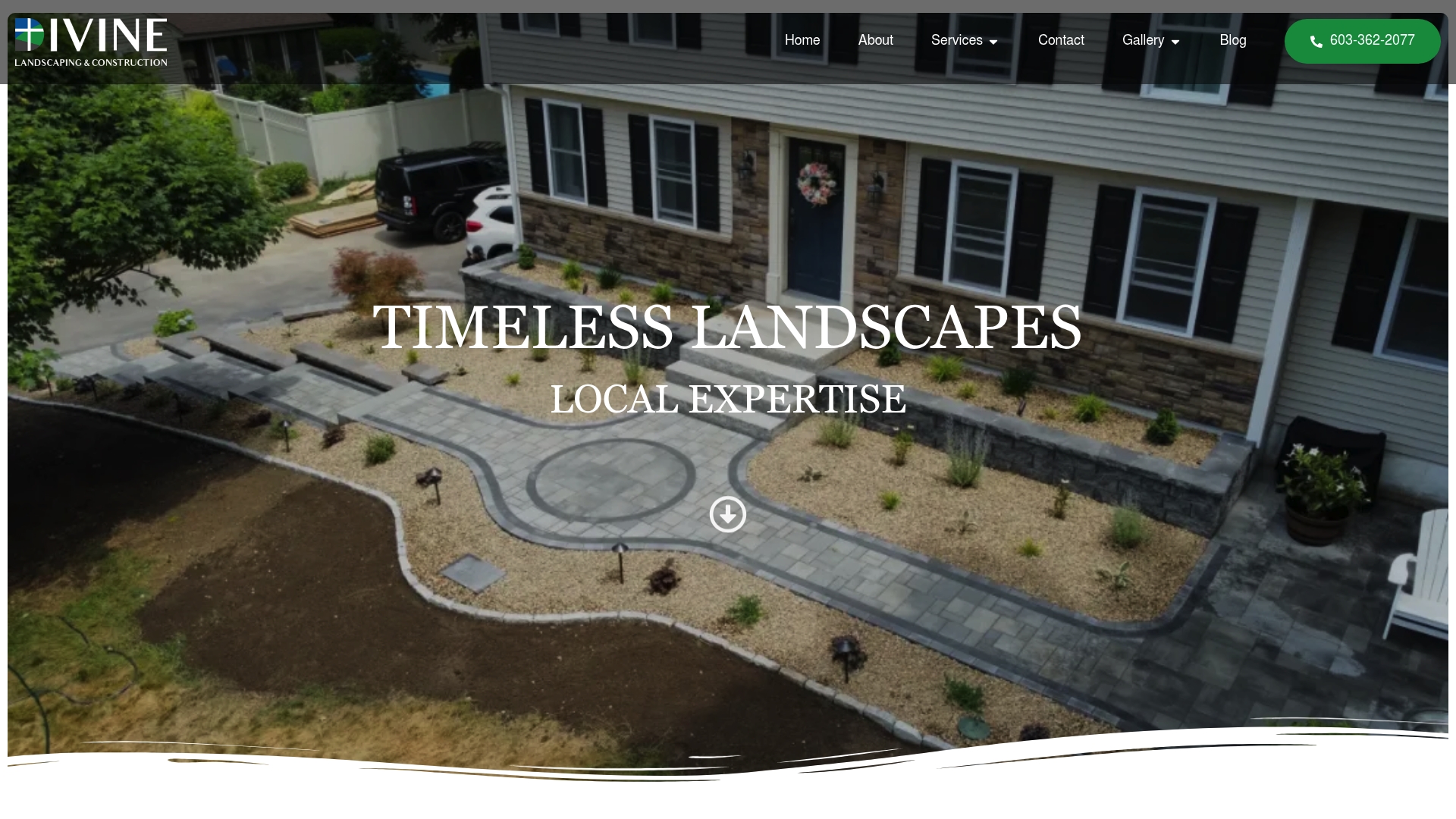
The team handles hardscape services including patios, retaining walls, walkways, and built-in fire features, as well as decks and outdoor living structures built for New England weather. If you want to see what is possible before committing, the outdoor project gallery shows completed spaces across a range of budgets and styles. For homeowners ready to plan, the landscape design page explains the full process from concept to installation.
FAQ
What is an outdoor entertainment area?
An outdoor entertainment area is a purposefully designed exterior space built for socializing, dining, and relaxation. It typically includes defined zones for lounging, dining, and cooking, connected by clear traffic paths.
How much does it cost to design a small backyard outdoor space?
The average outdoor living space costs about $7,800, with simpler projects starting around $1,500. Small backyard projects focused on a patio, furniture, and lighting can stay well under $10,000 with careful planning.
What are the top outdoor living space additions in 2026?
The top additions in 2026 are outdoor kitchens, pergolas and shade structures, fire pits, and wellness zones like yoga platforms or meditation corners. Interest in shade structures alone grew 15 points since 2024.
How do I plan an outdoor entertaining space on a budget?
Allocate 40–50% of your budget to furniture, 15–20% to lighting, and 15–20% to shade structures, then set aside a 10–15% contingency fund. Focus spending on quality over square footage for the best long-term value.
What lighting works best for an outdoor entertainment area?
Layered lighting using warm white task lights, ambient string lights, and accent uplighting at approximately 2,700K produces the most functional and comfortable result. Avoid cool blue-white bulbs above 4,000K, which flatten the space and reduce ambiance.