
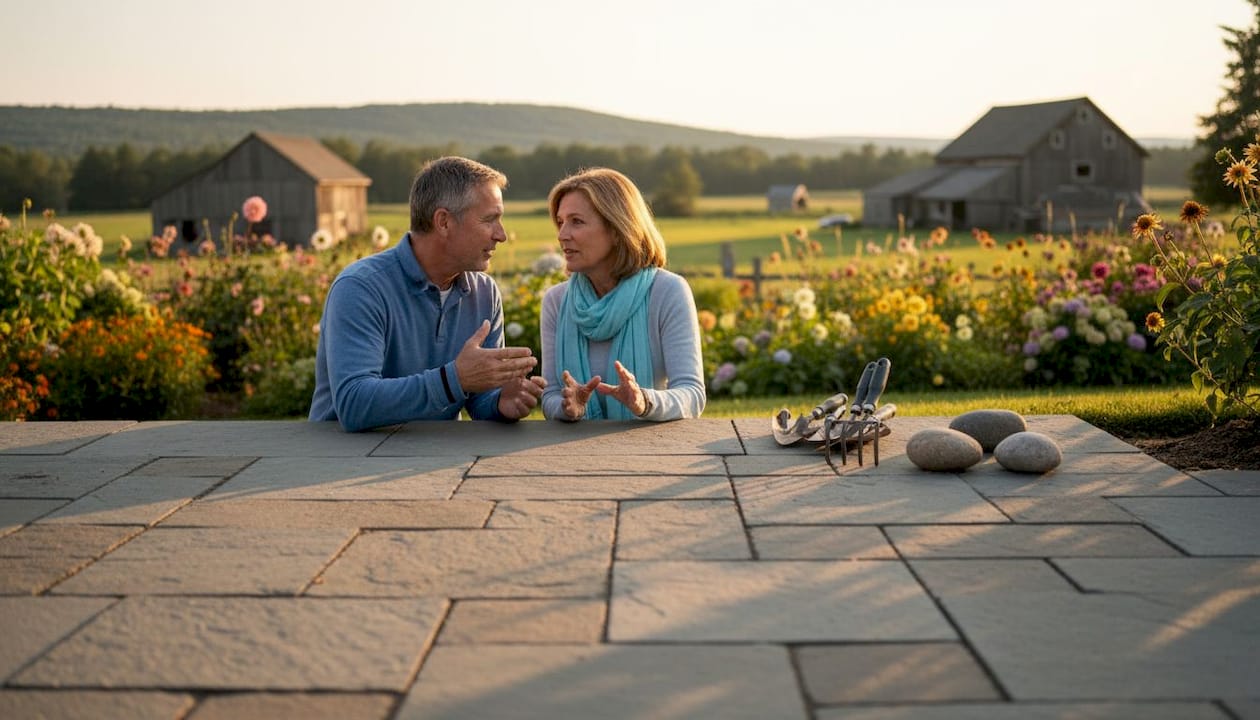
Patio design styles are defined by their materials, layouts, and functional features, which together create outdoor living spaces tailored to climate, lifestyle, and budget. In New Hampshire, choosing the right style means balancing curb appeal with the realities of freeze-thaw cycles, short summers, and long winters. Patios are at-grade hardscapes built on compacted gravel and sand bases, requiring no structural framing or permits unlike decks or porches. That flexibility makes them the most accessible outdoor upgrade for most homeowners. Divinelandscapingllc works with New Hampshire homeowners every season to match patio design to both the property and the climate.
1. Top patio design styles for New Hampshire homeowners
The best outdoor patio ideas for New Hampshire homes share one trait: they account for the climate first. A patio that looks great in a catalog but uses the wrong materials will crack, shift, or become unusable within a few winters. The styles below cover the full range from budget-friendly to premium, all suited for New England conditions.
Gravel patios
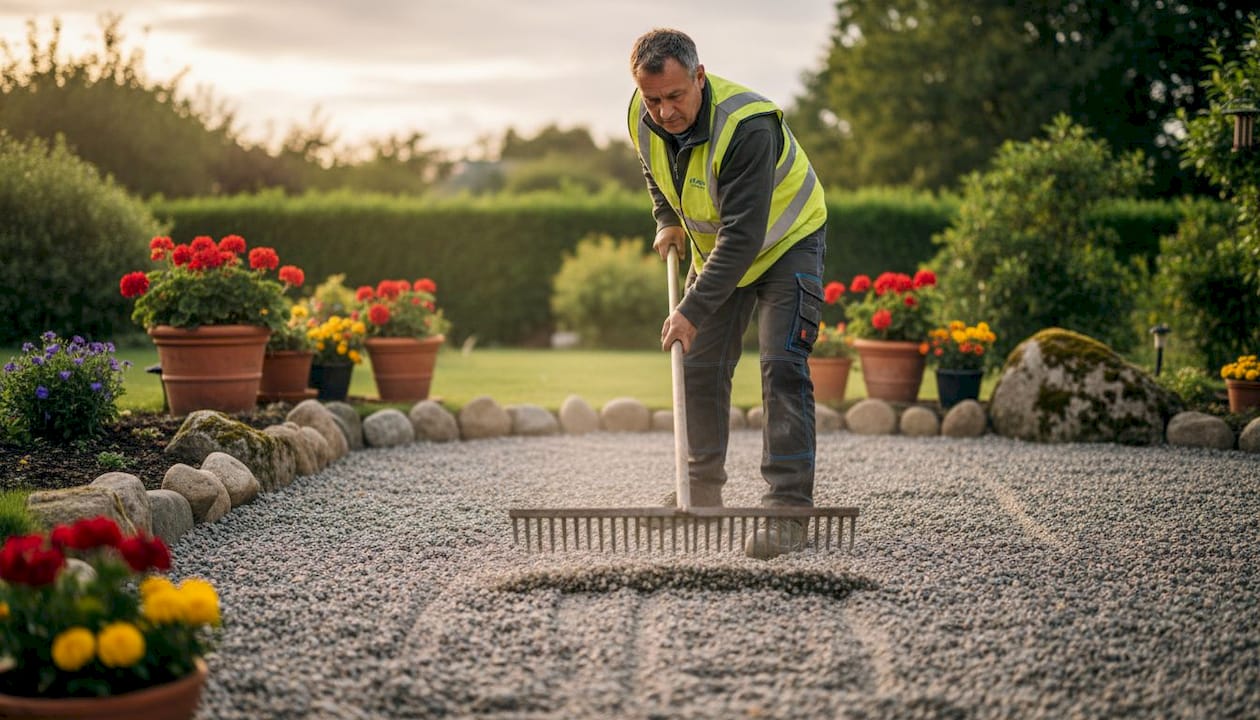
Gravel is the most affordable entry point for any homeowner. A 10×12-foot gravel patio costs under $500 in materials, with installation running $3–$5 per square foot. Gravel drains naturally, which is a real advantage in New Hampshire’s wet springs. Metal edging keeps the gravel contained and the layout clean.
Brick paver patios
Brick pavers offer a classic New England look that suits Colonial, Cape Cod, and Craftsman homes equally well. They hold up well through freeze-thaw cycles when installed on a proper compacted base. Individual pavers can be replaced if one cracks, which keeps long-term maintenance costs low. Their warm red and tan tones complement most exterior color schemes.
Concrete slab patios
Poured concrete is durable and low-maintenance once sealed. It works well for larger, flat yards where a clean, uniform surface is the goal. Concrete does require control joints to manage cracking from temperature shifts. Sealing every two to three years extends its life significantly in cold climates.
Natural flagstone patios
Flagstone delivers a high-end, organic look that blends naturally with New Hampshire’s wooded and rocky settings. Sealed natural stone withstands freeze-thaw cycles better than untreated wood and holds its appearance for decades. It costs more upfront but requires minimal replacement over time. Irregular shapes work especially well around gardens and fire pits.
Stamped concrete patios
Stamped concrete mimics the look of flagstone, brick, or slate at a lower material cost. It gives homeowners a premium aesthetic without the premium price of natural stone. The surface must be sealed regularly to prevent moisture penetration and surface cracking in cold weather. Color options are wide, making it easy to match your home’s exterior.
Multi-level patios
Multi-level patios are the right solution for sloped or uneven yards, which are common across New Hampshire properties. Each level can serve a different function: dining on one tier, lounging on another, and a fire pit area on a third. This layout maximizes usable square footage without requiring major grading. Retaining walls between levels add structure and can double as built-in seating.
Covered patios and pergolas
A covered patio or pergola extends your usable season by providing shade in summer and rain protection in shoulder months. Permanent shade structures reduce barriers to patio use and increase seasonal enjoyment significantly. Pergolas with climbing plants add privacy and a natural aesthetic. Adding a ceiling fan or string lights turns a pergola into a true outdoor room.
Pro Tip: Size your patio generously from the start. The most common design mistake is building too small. A dining table for four requires at least a 12×12-foot surface, and that leaves no room for chairs to pull back comfortably.
2. Luxury and modern patio designs with premium features
Higher-end outdoor living spaces combine durable materials with comfort features that make the patio a destination, not just a surface. Patio investments range from $500 DIY projects up to $50,000+ for professional multi-level installations. That range reflects how much design, materials, and features affect the final result.
Key features that define luxury patio designs:
- Fire pits and fireplaces: Built-in gas or wood-burning fire pits extend evening use well into fall and create a natural gathering point.
- Built-in seating: Stone or concrete bench walls eliminate the need for extra furniture and give the space a finished, permanent look.
- Outdoor kitchens: A built-in grill station with counter space and storage adds real function for homeowners who entertain regularly.
- Integrated lighting: Layered outdoor lighting combining ambient, task, and accent sources extends patio use into the evening and improves safety on steps and grade changes.
- Water features: Small fountains or wall-mounted water features add sound and visual interest without requiring significant space.
Pro Tip: Plan your electrical and gas lines before laying any hardscape. Retrofitting utilities after installation means breaking up finished surfaces, which adds cost and disrupts the design.
“Design patios as outdoor rooms with adequate seating, shade, lighting, and easy access to encourage frequent use instead of just aesthetic appreciation.” — Bobby Berk, interior designer and outdoor living expert
Divinelandscapingllc designs outdoor entertainment areas that integrate these features into a cohesive layout suited to each property’s grade, orientation, and style.
3. Modern patio design: palettes, materials, and outdoor rooms
Modern patio design has moved away from dark, moody aesthetics toward warmer, more natural tones. Current color palettes favor bone, cream, soft beige, and warm greige with selective black or deep green accents. This shift makes patios feel more connected to the surrounding landscape, which matters especially in New Hampshire’s wooded settings.
Furniture choices define how well a modern patio functions day to day:
- All-weather wicker and powder-coated aluminum hold up through New England humidity and temperature swings without rusting or warping.
- Teak and ipe wood age gracefully outdoors but require annual oiling to maintain their appearance.
- Concrete and stone side tables add weight and permanence, reducing the need to bring furniture inside each season.
Lighting layers are the most underused tool in residential patio design. Ambient lighting from overhead string lights or lanterns sets the mood. Task lighting over a grill or dining table makes the space functional after dark. Accent lighting on steps, walls, or plantings adds depth and safety. Together, these three layers make a patio usable from early morning through late evening.
Arranging seating around a focal point with surfaces within reach of every seat is the single most effective way to encourage regular patio use. A fire pit, water feature, or outdoor kitchen works well as that focal point. Conversation distance, typically 6–10 feet between seats, keeps gatherings comfortable without feeling spread out.
Pro Tip: Reduce maintenance friction by choosing materials that need minimal seasonal care. The easier a patio is to maintain, the more you will actually use it.
4. Comparing patio materials and layout options for New Hampshire homes
Choosing the right material depends on your home’s architecture, your yard’s terrain, and how you plan to use the space. Proper base preparation with 4–6 inches of crushed stone prevents paver shifting in freeze-thaw climates. Skipping this step is the most common cause of premature patio failure in cold regions. You can learn more about patio materials for NH to compare options in detail before committing.
| Material | Approx. cost per sq. ft. | Freeze-thaw durability | Maintenance level | Best suited for |
|---|---|---|---|---|
| Gravel | $3–$5 | Good (drains naturally) | Low | Casual, budget-conscious spaces |
| Brick pavers | $10–$20 | Excellent (replaceable units) | Low to medium | Traditional and Craftsman homes |
| Poured concrete | $6–$12 | Good (requires sealing) | Medium | Modern, minimalist designs |
| Stamped concrete | $12–$18 | Good (requires sealing) | Medium | Premium look at mid-range cost |
| Natural flagstone | $15–$30 | Excellent (when sealed) | Low to medium | Rustic, organic, and luxury styles |
Layout options matter as much as material choice. A grid of stepping stones suits a cottage garden style. Curved borders soften formal architecture and work well with Colonial homes. Multi-level zones with retaining walls solve grade challenges while creating defined activity areas. For a detailed walkthrough of layout planning, Divinelandscapingllc offers a backyard patio layout guide built specifically for New Hampshire properties.
Pro Tip: Match your patio material to your home’s exterior. A brick Colonial looks best with brick pavers or natural stone. A modern farmhouse pairs well with large-format concrete or clean-cut bluestone.
Key takeaways
The most effective patio design for New Hampshire homes combines climate-durable materials, a properly prepared base, and a functional layout that treats the patio as an outdoor room rather than just a surface.
| Point | Details |
|---|---|
| Climate comes first | Sealed stone and concrete pavers outperform untreated materials in freeze-thaw conditions. |
| Base preparation is non-negotiable | A 4–6 inch compacted crushed stone base prevents shifting and premature failure. |
| Size generously | Build at least 12×12 feet for a dining area; under-sizing is the most common patio mistake. |
| Layer your lighting | Ambient, task, and accent lighting together extend usable hours and improve safety. |
| Match material to home style | Brick pavers suit traditional homes; large-format concrete suits modern designs. |
What I’ve learned designing patios in New Hampshire
After working on outdoor spaces across New Hampshire, the pattern I see most often is homeowners who prioritize looks over function and then wonder why they never use their patio. A beautiful flagstone surface with no shade, no lighting, and furniture arranged against the walls will sit empty. The same space with a pergola, a fire pit as the focal point, and seating arranged for conversation gets used every week from may through october.
The climate-first mindset changes every decision. I always ask: what will this patio feel like in june when it is 85 degrees and humid, and what will it feel like in september when the sun sets at 7 PM? Those two scenarios drive material choices, shade planning, and lighting design more than any style trend.
The other mistake I see regularly is treating the patio as an afterthought to the landscape. Homeowners plant gardens, install irrigation, and then try to fit a patio into whatever space is left. The patio should come first in the planning sequence because it anchors everything else. Your garden beds, walkways, and lighting all radiate outward from that central gathering space.
Rustic patio themes with natural stone and fire pits are consistently the most popular choice in New Hampshire, and for good reason. They feel native to the region. But the homeowners who get the most out of their investment are the ones who also add a pergola or shade sail, plan for evening lighting, and choose furniture they can leave outside year-round. Style is the starting point. Function is what keeps you coming back.
— Damian
Divinelandscapingllc: professional patio design for New Hampshire homes
Divinelandscapingllc specializes in designing and building patios that work for New Hampshire’s climate and your property’s specific conditions. From gravel and brick paver installations to multi-level natural stone patios with integrated fire pits and lighting, the team handles every phase of the project.
You can view completed projects in the outdoor living gallery to see how different styles translate to real New Hampshire properties. When you are ready to plan your space, the hardscape services page outlines the full range of options available, from initial design through final installation. Reach out to Divinelandscapingllc to schedule a consultation and get a plan built around your home, your yard, and your budget.
FAQ
What are the most durable patio materials for New Hampshire winters?
Sealed natural flagstone and concrete pavers are the most durable options for New Hampshire’s freeze-thaw climate. Both materials handle seasonal moisture and temperature swings without cracking when installed on a proper compacted base.
How much does a basic patio cost in New Hampshire?
A simple gravel patio costs $3–$5 per square foot in materials, while brick paver and natural stone patios range from $10–$30 per square foot depending on material and complexity.
What is the minimum size for a functional backyard patio?
A dining area for four people requires at least a 12×12-foot surface. Building smaller than this leaves no room for chairs to pull back and makes the space feel cramped.
Do patios require permits in New Hampshire?
Patios are at-grade hardscapes and typically do not require permits, unlike decks or porches that require structural framing. Always confirm with your local municipality before starting any project.
How do I choose between a modern and a rustic patio style?
Match the patio style to your home’s architecture. Modern homes suit large-format concrete or clean-cut bluestone. Traditional, Craftsman, or Colonial homes pair naturally with brick pavers, natural flagstone, or rustic stone designs.