
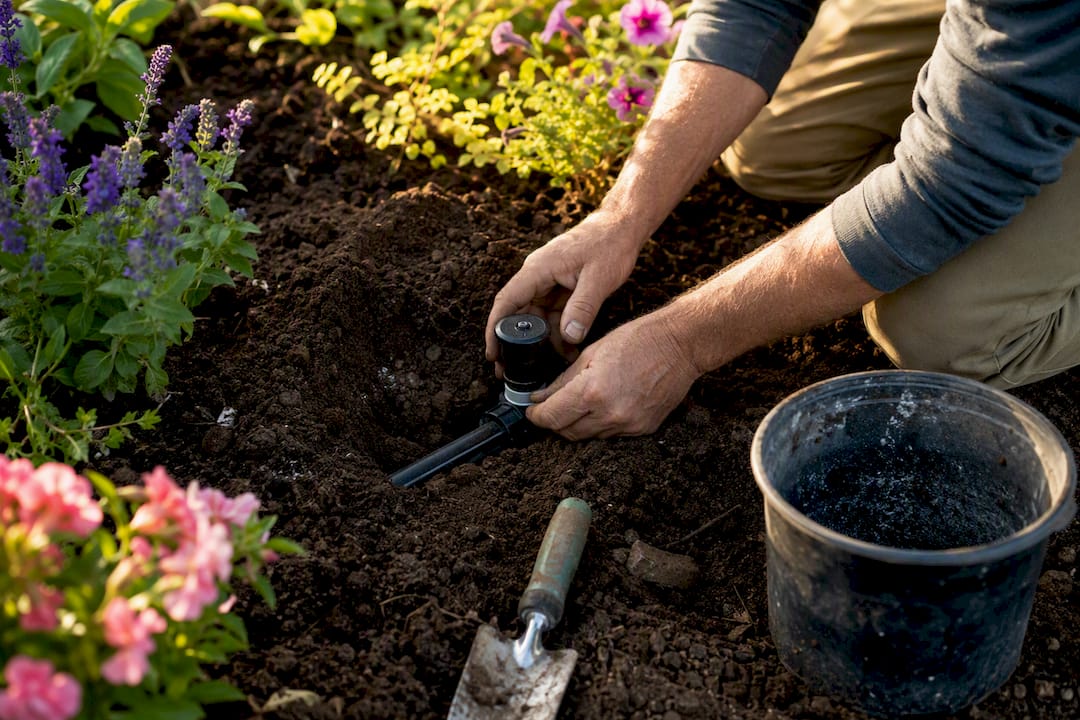
A residential in-ground sprinkler system typically costs between $1,700 and $12,000 installed, with most homeowners landing somewhere near $2,500 to $3,500 for a standard quarter-acre to half-acre yard. The fastest way to size your own project: multiply your expected zone count by $590 to $1,340 per zone, then add a backflow preventer and permit fee, since most municipalities require both.
TL;DR:
- The total cost for a residential sprinkler system varies widely, from $1,700 on small yards to over $12,000 on larger, complex properties.
- The number of zones, local soil conditions, and yard layout significantly impact the overall price, with each zone costing between $590 and $1,340 installed.
- Labor costs fluctuate regionally, with harder soils and more complex terrain increasing installation time and expenses, especially for trenching and permits.
- Proper system layout, including head spacing and zoning, reduces water waste, limits repairs, and can lower long-term maintenance costs.
- Request detailed, itemized quotes that specify zones, heads, permits, and backflow preventers to accurately compare contractor offers and avoid hidden charges.
Table of Contents
- How Much Does a Sprinkler System Cost by Yard Size?
- How Do Zones and Yard Layout Affect Sprinkler System Cost per Zone?
- What Do Sprinkler Heads, Controllers, and Backflow Preventers Cost?
- What Are Typical Labor Rates, Permits, and Timelines?
- What Does Sprinkler System Maintenance Cost Each Year?
- Should You DIY Your Sprinkler System or Hire a Pro?
- What Does Divine Landscaping LLC See on Real New England Projects?
- Sprinkler System Cost: What Actually Matters When You’re Budgeting
- Get a Clear, Itemized Sprinkler Quote for Your Yard
- Sources
How Much Does a Sprinkler System Cost by Yard Size?
Your yard’s footprint drives the estimate more than almost anything else. A quarter-acre lot typically falls in the $1,700 to $6,000 range, while a half-acre yard runs $3,500 to $12,000 depending on zone count, soil, and head type. Larger properties, corner lots, and yards split by driveways or hardscaping tend to push costs toward the top of these bands because they need more zones to cover irregular shapes.
In-ground systems commonly run $0.90 to $1.70 per square foot, which gives you a quick sanity check against any quote you receive. A 5,000 square foot lawn, for example, lands around $4,500 to $8,500 before add-ons like smart controllers or drip zones for garden beds.
- Small yard (5,000 sq ft or less): roughly $2,500 to $6,000, often 3 to 4 zones
- Quarter-acre (about 10,890 sq ft): roughly $1,700 to $6,000
- Half-acre: roughly $3,500 to $12,000, often 6 to 8 zones
- Regional note: Northeast and West Coast labor rates tend to push totals higher; Midwest and parts of the South often run lower due to softer soil and lower labor costs
How Do Zones and Yard Layout Affect Sprinkler System Cost per Zone?
Zone count is the real lever behind your total bill, not just square footage. Each zone typically covers 4 to 8 heads, depending on water pressure, head type, and how the lawn is shaped. A simple rectangular front yard might need one zone. A property with a sloped backyard, garden beds, and a separate side strip could need four or five just to keep water pressure consistent across the system.
- Estimate your zone count first. Count distinct sun/shade areas, slopes, and planting beds; each usually needs its own zone.
- Apply the per-zone rate. At $590 to $1,340 installed per zone, a 3-zone system runs roughly $1,770 to $4,020, while a 6-zone system runs $3,540 to $8,040.
- Adjust for complexity. Rocky soil, mature tree roots, or long pipe runs from the water source push individual zones toward the higher end of that range.
This math is exactly what you should ask a contractor to show you, zone by zone, before you sign anything.
What Do Sprinkler Heads, Controllers, and Backflow Preventers Cost?
Line items are where quotes either make sense or start looking padded. Spray heads are the cheapest hardware, but installed cost includes trenching and connection labor, not just the part itself.
- Spray heads: hardware $1.50 to $15; installed cost commonly $52 to $120 each once labor is included
- Rotor heads: cover more area per head, useful for larger open lawns, generally priced at the higher end of that installed range
- Basic controller: a straightforward timer, usually the lowest-cost component in the whole system
- Smart controller: costs more upfront but can cut water use by 20% to 50% compared with a basic timer, and many utilities offer rebates for WaterSense-certified models
- Backflow preventer: a code-required assembly in most jurisdictions, and a predictable line item you should confirm is included in every quote
Statistic Callout: Trenching and labor typically make up 45% to 55% of total installed cost, with materials at 35% to 45% and controllers, sensors, and permits filling the remaining 5% to 15%, based on industry cost breakdowns.
What Are Typical Labor Rates, Permits, and Timelines?
Professional installers commonly charge $50 to $100 per hour, and that rate covers trenching, pipe laying, head placement, and backflow testing, not just the install day itself. A small yard with 3 to 4 zones often wraps in one to two days; a half-acre property with 6 or more zones can take three to five days, especially if trenching hits ledge or heavy clay.
- Permit fees vary by town but are almost always required for backflow devices tied to a municipal water supply
- Most licensed contractors pull permits on your behalf and schedule the required inspection
- Rocky or hardpan soil can add 15% to 30% to labor time, a common surprise on New England lots
- Homeowners often miss the 811 utility locate requirement before any digging starts
What Does Sprinkler System Maintenance Cost Each Year?
Installation is only part of the budget. Annual startup and winterization typically cost a moderate amount combined, depending on system size and region, and skipping winterization in freeze-prone climates is the fastest way to crack pipes and pay for it twice.
- Spring startup and inspection: often $50 to $100
- Fall winterization and blowout: often $75 to $150
- Head replacement: $10 to $30 per head, plus labor if a pro handles it
- Valve or controller repairs: $100 to $300 depending on the issue
Systems designed with correct head spacing and zoning waste less water and fail less often, which is the strongest argument for paying for a proper layout up front rather than patching a bad one for years.
Should You DIY Your Sprinkler System or Hire a Pro?
DIY kits can work for very small, flat yards with simple rectangular shapes and easy access to a water line. Once you’re dealing with slopes, multiple zones, mature landscaping, or code-required backflow testing, the math tends to favor a licensed installer.
- Reasonable DIY tasks: running drip lines for garden beds, replacing individual heads, adjusting existing zones.
- Better left to a pro: trenching near foundations or septic lines, backflow installation and testing, main line connections, and any work requiring a permit.
- Ask contractors directly: how many zones do you recommend and why, is the backflow preventer included, what’s the per-linear-foot trenching rate, and is winterization part of the first-year price.
- Watch for red flags: a quote with no zone breakdown, no mention of permits, or a price far below the regional averages other bids show.
Pro Tip: Get three quotes and ask each contractor to show zones times per-zone rate, plus heads, backflow, and controller as separate lines. If the math doesn’t add up to the total, ask why before you sign.
For homeowners weighing a full irrigation redesign against other yard upgrades, our guide on planning a residential irrigation system walks through the layout decisions that affect long-term cost.
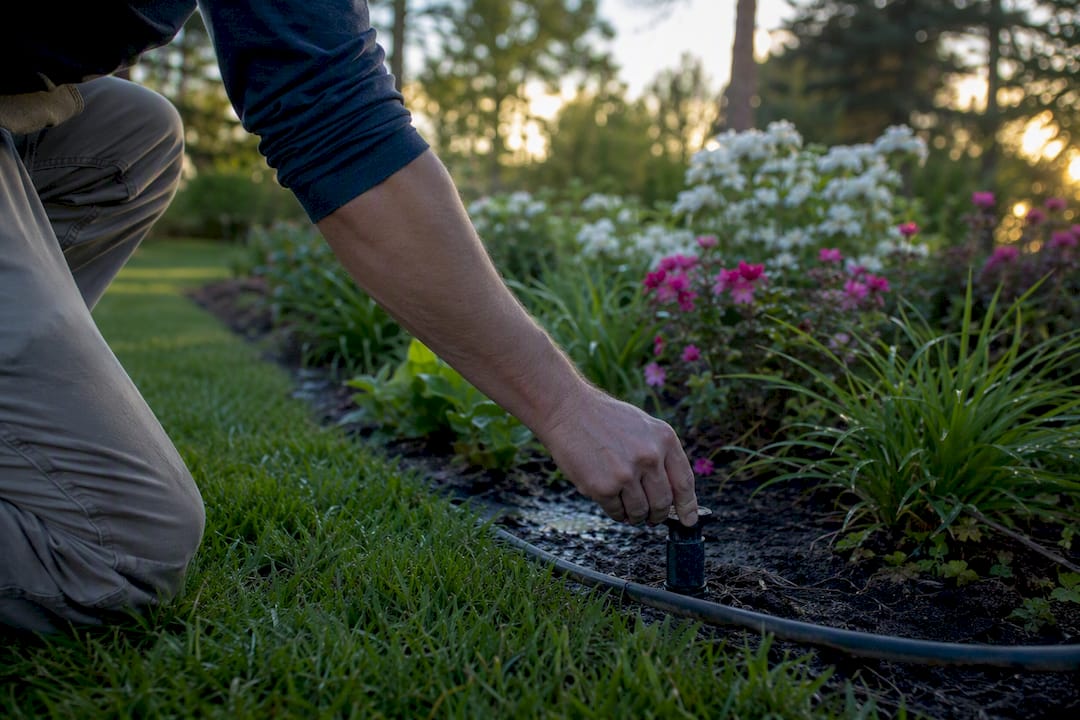
What Does Divine Landscaping LLC See on Real New England Projects?
On a recent quarter-acre property in southern New Hampshire, a homeowner with a sloped front yard and separate garden beds ended up at four zones and a total install near $5,200, driven mostly by ledge rock that slowed trenching. A half-acre property nearby with flatter terrain and six zones came in closer to $6,800, largely because the softer soil kept labor hours down despite the larger footprint.
- New England’s rocky, uneven soil is the single biggest local cost driver we see on quotes
- Freeze protection and fall winterization aren’t optional here, they’re part of the annual budget from year one
- Homeowners who skip the site visit and go straight to a phone quote almost always get a number that changes once we see the yard
Avoiding common irrigation mistakes at the design stage is usually cheaper than fixing them after installation.
Sprinkler System Cost: What Actually Matters When You’re Budgeting
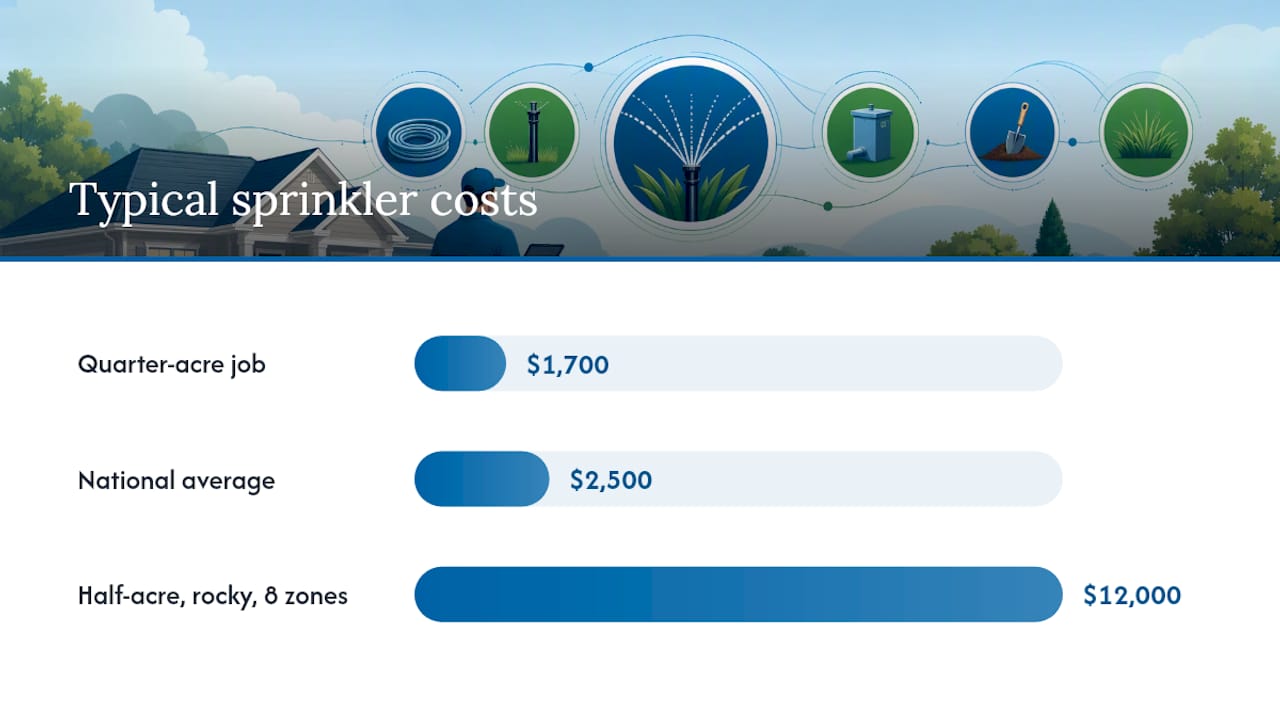
Most sprinkler system cost guides throw a national average at you and call it a day. That number is close to useless on its own, because a $2,500 average hides a $1,700 quarter-acre job sitting right next to a $12,000 half-acre job with rocky soil and eight zones. The number that actually helps you budget is the per-zone rate, applied to your specific layout.
The conventional advice to “get three quotes and pick the middle one” also falls short. Price spread between bids usually comes down to what’s included, not how good the work is. A lower bid that skips backflow testing or amortizes trenching into a vague labor line will look cheaper until the missing pieces show up as change orders.
If you take one thing from this guide, it’s this: ask every contractor to itemize zones, heads, backflow, controller, and permit separately. That single request tells you more about a quote’s honesty than any star rating or online review ever will. Homeowners who understand the per-zone math walk into estimate conversations as informed buyers instead of guessing whether $4,000 or $9,000 is fair for their yard.
— Damian
Get a Clear, Itemized Sprinkler Quote for Your Yard
Divine Landscaping LLC prices irrigation the same way this guide teaches you to read a quote: by zone, by head, and by the code-required items most contractors bury in a lump sum. That means no guessing whether backflow testing or winterization is actually included in your number.
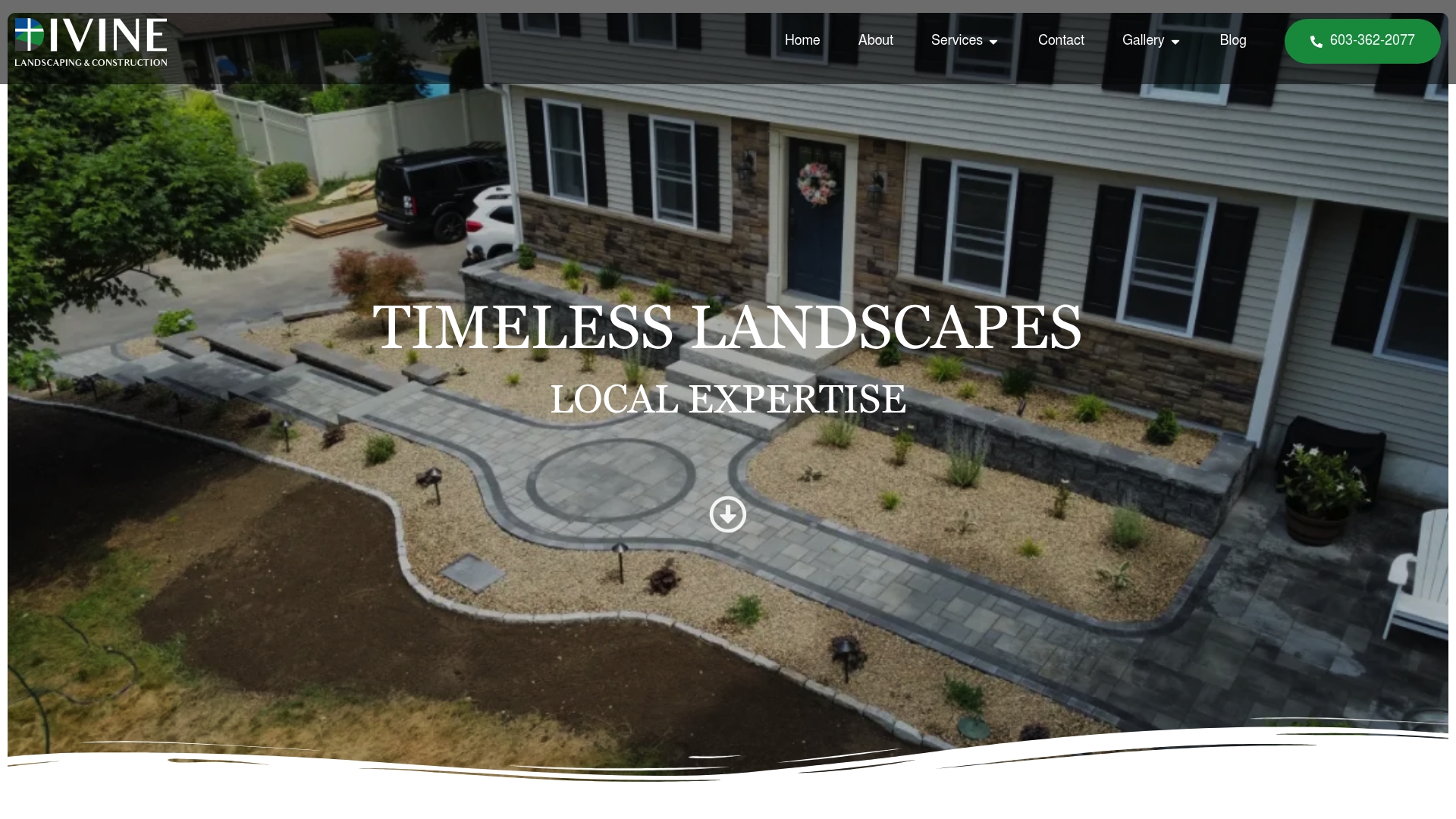
A site visit lets us map your actual zones based on your yard’s slope, soil, and sun exposure, rather than estimating from a satellite photo. You’ll walk away with a written quote broken into the same line items covered here: heads, controller tier, backflow, trenching, and permit fees. We also recommend homeowners planning a fuller outdoor upgrade review our irrigation services page, and pair spring installation with a seasonal maintenance checklist so winterization never gets forgotten.
If you’re in Salem or the surrounding New Hampshire and Massachusetts area, request a site visit through our irrigation services in Salem, NH page and compare our itemized quote against two or three others before deciding.
Sources
- Sprinkler System Installation Cost Calculator — 2026 Lawn Quote | UseCalcPro
- How Much Does a Sprinkler System Cost in 2026? | LawnStarter
- How Much Does Sprinkler System Installation Cost? 2026 Data | Angi
- Irrigation for Lawns and Gardens | University of Georgia Extension