
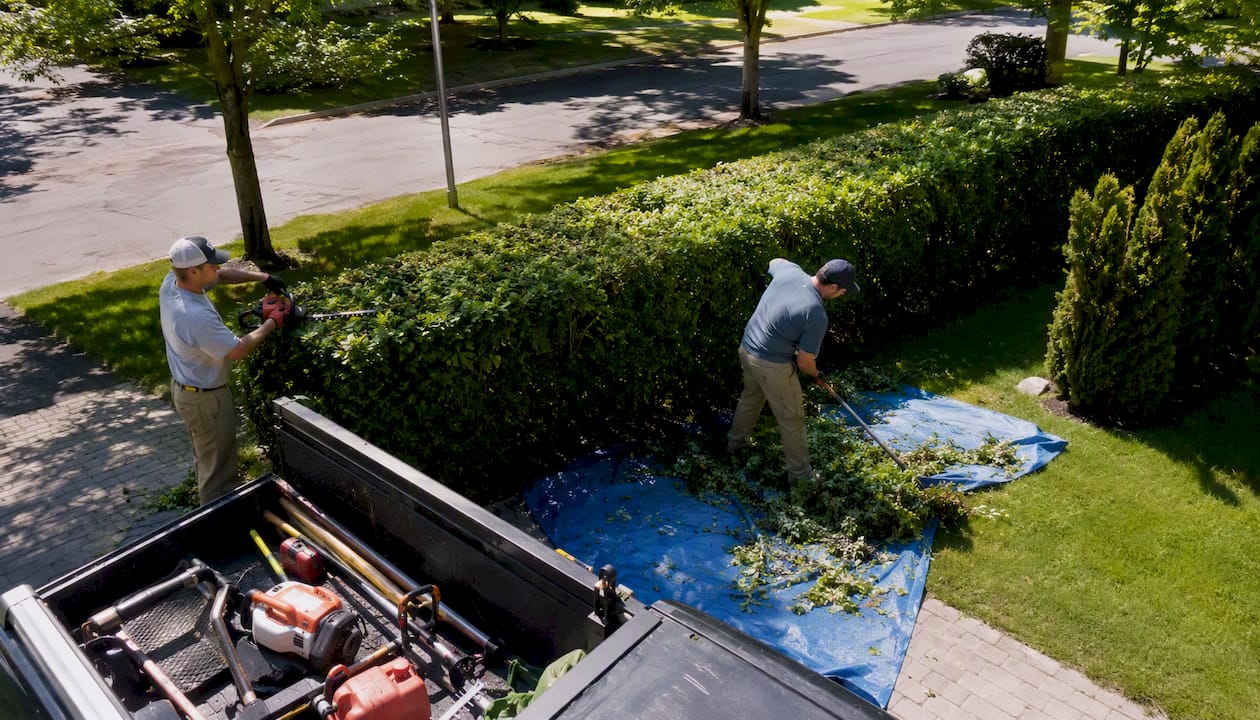
Most searches for “summit grounds” are looking for a local grounds-maintenance company, not a hiking trail. If that describes you, your first move is simple: confirm the provider’s service area and request a free written estimate. Keep in mind that the phrase returns a mix of results, including scenic summit hiking trails, observation decks, and even a coffee subscription brand that uses the Summit Grounds name. Calling the company directly or checking its website is the fastest way to confirm you have the right business.
Key Takeaways
Searching “summit grounds” most often leads to a grounds-maintenance company, but verifying the provider’s credentials and service area before hiring is the step most property owners skip.
| Point | Details |
|---|---|
| Confirm service area first | Call or check the website to verify the provider covers your ZIP code before scheduling anything. |
| Demand written credentials | Ask for a pesticide applicator license number, certificate of insurance, and a written scope of work before signing. |
| Understand pricing drivers | Lawn size, service frequency, turf type, and add-ons like snow removal all affect the final contract price. |
| Expect seasonal schedules | Fertilization involves multiple treatments each year; aeration and overseeding are typically paired once annually in early fall or spring. |
| Divinelandscapingllc is a verified option | Licensed, insured, and serving NH and neighboring Massachusetts with written scopes and free estimates. |
Table of Contents
- What services does a Summit Grounds company typically offer?
- How do you confirm whether a Summit Grounds serves your location?
- How do you request an estimate and what drives the price?
- What credentials should you check before hiring a grounds contractor?
- What should you expect from each service visit?
- Why does contractor longevity and staffing reliability matter?
- If you need a verified local provider, Divinelandscapingllc covers these needs
- What is the history and reputation of Summit Grounds?
- What do customers say about grounds-maintenance providers?
- What guarantees or warranties should a grounds contract include?
- What payment options do grounds-maintenance companies offer?
- Ready to get a written estimate for your property?
- Sources
What services does a Summit Grounds company typically offer?
Professional grounds-maintenance firms that operate under the Summit Grounds name generally cover the full spectrum of lawn care and landscape maintenance. Here is what you can expect on a standard service menu:
- Seasonal lawn maintenance: Regular mowing, edging, and blowing at weekly or biweekly intervals to keep turf at the correct height.
- Fertilization: Nutrient applications timed to the growing season, typically 4–5 treatments per year in northern climates.
- Weed control: Pre-emergent and post-emergent herbicide applications to suppress broadleaf weeds and grassy invaders.
- Insect and grub control: Targeted treatments for surface feeders and subsurface grubs that damage root systems.
- Core aeration and overseeding: Mechanical aeration to relieve compaction, followed by overseeding to thicken turf density.
- Soil testing: Lab analysis of pH and nutrient levels to guide fertilization and amendment decisions.
- Mulching and bed maintenance: Fresh mulch installation and edging to suppress weeds and retain moisture in planting beds.
- Seasonal cleanup: Spring and fall debris removal, leaf cleanup, and bed preparation.
- Snow removal: Where offered, plowing and salting for commercial and residential properties.
For business properties, bundled annual programs that combine mowing, fertilization, and snow removal into a single contract often make more financial sense than per-visit pricing. A commercial lawn care program locks in scheduling priority and usually carries a lower per-service cost than booking each visit individually.
How do you confirm whether a Summit Grounds serves your location?
The name “Summit Grounds” appears across multiple states and industries, so a quick verification step saves you a wasted phone call. Start with the company’s official website and look for a service area page or ZIP code list. If that is not posted, a direct phone call is faster than any online search.
A few other checks worth making:
- Pull up the Google Business profile for the company and look at the listed service area cities.
- Match the phone number and address against the website to confirm you have the right business, not a similarly named one in another state.
- Ask for written confirmation of availability in your ZIP code before scheduling a site visit.
- For seasonal services like aeration or overseeding, ask about lead times — popular slots fill quickly in spring and fall.
When your search returns hiking routes or unrelated brands instead of a lawn-care company, refine the query by adding your city, state, and the service type: “Summit Grounds lawn care [city, state]” or “grounds maintenance [your ZIP code].” That narrows results to local service providers rather than recreational trail listings or tourism venues.
How do you request an estimate and what drives the price?
A written estimate protects both you and the contractor. Before you call, gather the information a provider needs to give you an accurate number.
- Measure your property. Know your lawn’s approximate square footage. Larger lots cost more to service, and many contractors price by the acre or by defined zones.
- Document visible issues. Photograph bare patches, drainage problems, heavy weed pressure, or pest damage. These affect the scope and cost of the first treatment.
- Decide on frequency. Weekly mowing, biweekly visits, or a full annual program each carry different price structures.
- Note your turf type and soil condition. Cool-season grasses like Kentucky bluegrass or tall fescue have different fertilization windows than warm-season varieties.
- List any add-ons. Snow removal, seasonal color plantings, or hardscape maintenance all affect the total contract value.
- Set a preferred start date. Contractors book out quickly in spring; giving a target date helps them schedule a site visit.
A solid written estimate should include the full scope of work, service schedule, materials and product names, warranty or guarantee terms, proof of licensing and insurance, and payment terms. For multi-tenant or commercial properties, the scope of work document becomes a legal reference point if service disputes arise, so detail matters.
Primary pricing drivers include lawn square footage, service frequency, soil and turf condition, complexity of planting beds or hardscape, and whether pesticide applications are included. Pesticide work requires a licensed applicator, which adds cost but also adds legal protection for your property.
What credentials should you check before hiring a grounds contractor?
Licensing and insurance are non-negotiable. Here is what to verify before signing anything:
- Pesticide applicator license: Any contractor applying herbicides, insecticides, or fungicides must hold a state-issued applicator license. Ask for the license number and verify it with your state’s department of agriculture.
- General liability insurance: Protects your property if equipment damages a fence, irrigation line, or structure. Request a certificate of insurance naming you as an additional insured.
- Workers’ compensation: Covers crew injuries on your property. Without it, you could be liable.
- DOT registration: For commercial contractors running larger vehicles, Department of Transportation registration is required.
Red flags to watch for: no written contract, refusal to provide references for similar properties, a bid that is dramatically lower than others without a clear explanation of what is excluded, and no verifiable local address. A contractor who cannot produce a license number or insurance certificate on request is a contractor to avoid. The benefits of working with an established local provider go well beyond price, especially when your property depends on consistent, scheduled service.
What should you expect from each service visit?
Timing and deliverables vary by service type. The table below outlines typical scheduling, what each visit produces, and when you can expect visible results.
| Service | Typical Schedule | Deliverable per Visit | When to Expect Results |
|---|---|---|---|
| Fertilization | multiple treatments per year | Applied nutrient blend, treatment record | Greening within a week or two |
| Weed control | multiple applications annually | Pre/post-emergent application, record | Visible weed decline after a few weeks |
| Core aeration | Once per year in early fall or spring | Plugs pulled, cores left to break down | Improved drainage within one growing season |
| Overseeding | Paired with aeration | Seed applied at calibrated rate | Germination usually within two to three weeks |
| Grub control | Once per year during late spring or summer | Curative or preventive treatment applied | Reduced turf damage in about one to one and a half months |
| Seasonal cleanup | Spring and fall | Debris removed, beds edged and cleared | Immediate visual improvement |
After a first-season program, measurable outcomes include improved turf density, reduced weed pressure, lower pest incidence, and soil test results trending toward target pH. Expect the biggest visible gains in year two, once the soil biology stabilizes.
Why does contractor longevity and staffing reliability matter?
An established contractor with reliable equipment and a trained crew is worth more than a low bid from a startup with one truck. For commercial properties especially, a missed mowing or a skipped fertilization application has real consequences: tenant complaints, lease violations, and curb-appeal damage that affects property value.
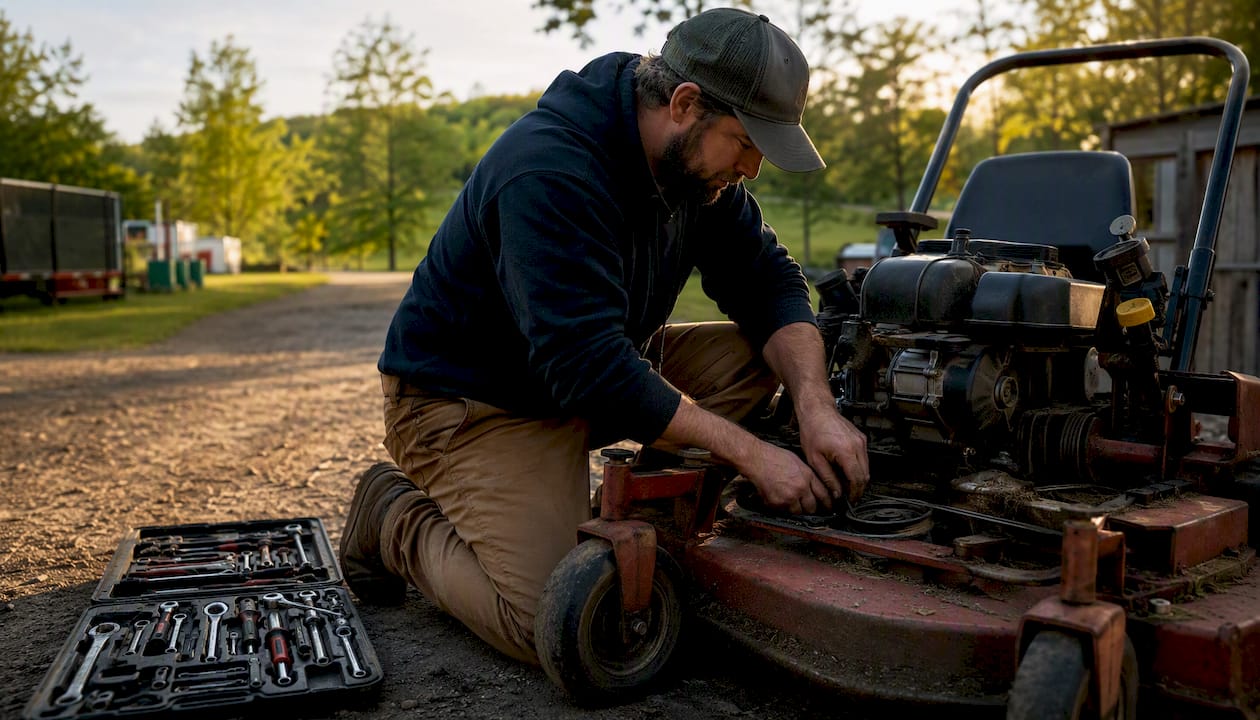
Operational reliability shows up in a few concrete ways. A contractor with a documented fleet maintenance schedule is far less likely to cancel a visit because a mower is in the shop. A company with seasonal staffing plans can handle the spring rush without pushing your property to the back of the queue. Ask directly: what happens if your primary crew is unavailable? What is the backup plan for a major weather event?
Pro Tip: Ask every contractor you interview for their contingency procedure in writing. A company that has one and can hand it to you immediately has thought through operational risk. One that cannot answer the question has not.
If you need a verified local provider, Divinelandscapingllc covers these needs
If your search for summit grounds services has not turned up a confirmed local provider, Divinelandscapingllc serves residential and commercial properties across New Hampshire and neighboring Massachusetts. Their services include landscape maintenance, irrigation, hardscape installation, and seasonal programs, all delivered under a licensed and insured operation with written scopes of work on every project.
- Licensed and insured with documentation available on request
- Written scope of work provided before any project begins
- Completed project gallery available for review
- Local references for residential and commercial properties
- Custom maintenance plans with defined schedules and deliverables
- Free estimate available; detailed pricing requires a site visit
What is the history and reputation of Summit Grounds?
Summit Grounds as a grounds-maintenance brand operates primarily in central Massachusetts, where its company landing page describes an Annual Lawn Care Program covering fertilization, weed control, aeration, overseeding, and grub control. The company presents itself as licensed and insured, which aligns with the baseline credentials any reputable grounds contractor should carry.
The name itself creates ambiguity. A coffee subscription company also operates under the Summit Grounds name at summit-grounds.com, and dozens of recreational trails, scenic summit spots, and viewing platforms use “summit” in their branding. For anyone hiring grounds services, the practical takeaway is to verify the specific business by address, phone, and license number before committing.
What do customers say about grounds-maintenance providers?
Verified customer reviews for grounds-maintenance companies consistently highlight three factors: reliability of scheduling, quality of communication when issues arise, and visible turf improvement over the first full season. Properties that receive a documented annual program with soil testing tend to show the strongest results because treatments are calibrated to actual conditions rather than applied on a generic schedule.
For any provider you consider, ask for references from properties similar to yours in size and type. A residential lawn reference does not tell you much about how a contractor handles a 10-acre commercial campus, and vice versa.
What guarantees or warranties should a grounds contract include?
A reputable grounds contractor will stand behind their work in writing. Standard warranty terms to look for include a re-treatment guarantee if weed or pest pressure returns within a defined window after application, a germination guarantee on overseeding (typically conditional on adequate watering), and a satisfaction clause that specifies the process for requesting a re-service visit at no charge.
Guarantees tied to pesticide applications are also subject to state regulations, so the written contract should reference the licensed applicator’s name and license number alongside any treatment guarantee.
What payment options do grounds-maintenance companies offer?
Most established grounds contractors offer monthly billing on annual programs, which spreads the cost of a full-season contract across 12 payments rather than requiring a lump sum. Per-visit billing is common for one-time services like spring cleanup or a single aeration.
For commercial properties, net-30 invoicing is standard. Ask whether the contractor accepts ACH, check, or credit card, and confirm whether a credit card processing fee applies. Financing through a third-party lender is less common in grounds maintenance than in hardscape or construction, but some larger landscape contractors do offer it for combined maintenance and installation contracts.
What working with established local providers actually looks like
After years of working on New Hampshire properties, the pattern I see most often is this: homeowners and property managers spend the first season recovering from a bad hire. They chose the lowest bid, got inconsistent service, and are now starting over in year two. The credentials check, the written contract, and the reference call feel like extra steps until you skip them once.
The providers worth hiring are the ones who hand you a certificate of insurance before you ask, who can name the licensed applicator on their crew, and who put the service schedule in writing. That is not a high bar. It is just the minimum that separates a professional operation from a seasonal side business.
Ready to get a written estimate for your property?
Divinelandscapingllc offers free on-site estimates for residential and commercial properties across New Hampshire and neighboring Massachusetts. Every project starts with a written scope of work, and the team is licensed and insured with documentation available before any work begins. Whether you need a seasonal maintenance program, irrigation, or a full hardscape and landscape installation, the process starts with a single conversation.

For commercial property managers, the multi-tenant property landscaping guide walks through exactly what a professional scope of work should include. To schedule your free estimate, visit Divinelandscapingllc or call directly. Detailed pricing requires a site visit, and spring slots fill quickly.
Sources
- Timpanogos Summit Trail #054
- Summit Trail Hike – Look Down at the Maroon Bells | Hike Snowmass
- Mount Diablo via Summit Trail
- Home | Tracer Coffee