
Most New Hampshire homeowners spend somewhere between $1,248 and $6,069 on professional landscaping, while full backyard remodels climb much higher. Your final number depends on the project, the lot and the season you book. Below, we break down costs by common project, explain what pushes bids up in New Hampshire, and show how to compare quotes fairly.
TL;DR:
- National estimates put backyard remodels at $15,000 to $50,000, while major projects can exceed $80,000; rocky New Hampshire sites may cost more.
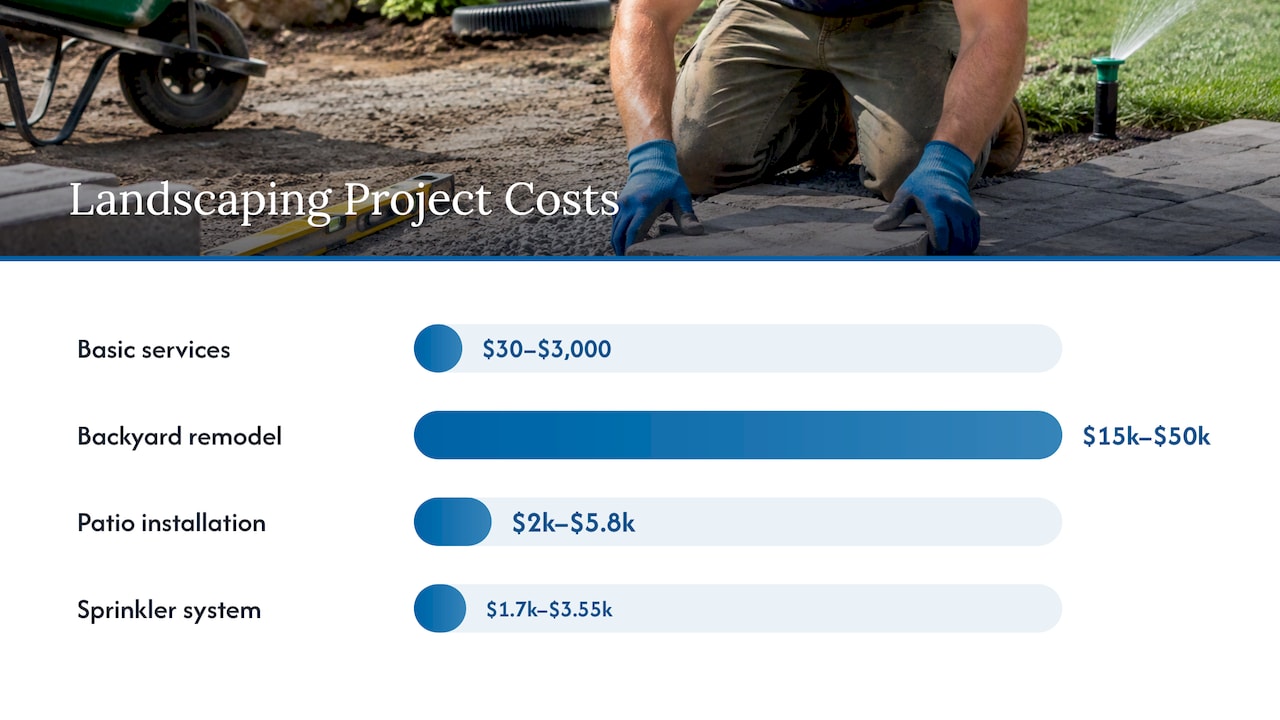
- National benchmarks put patios at $2,000 to $5,800, irrigation at $1,700 to $3,550, and landscape lighting at $2,000 to $6,000 before site adjustments.
- Rock and slopes can raise excavation and drainage costs; plan during winter to avoid spring demand and secure a schedule.
- Require a site visit and itemized bids separating labor, materials, permits, disposal, and contingencies; verify insurance, references, warranties, and written payment terms.
- Request written annual maintenance estimates after installation, since irrigation needs seasonal winterization and pavers may require occasional sanding or sealing.
Table of Contents
- What do common landscaping projects cost in New Hampshire?
- What drives landscaping cost in New Hampshire?
- How do you get accurate, comparable quotes?
- When should you schedule landscaping work in New Hampshire?
- How does a New Hampshire contractor build a bid?
- How do residential and commercial landscaping costs differ?
- How much does design complexity and customization add?
- What do maintenance costs look like after installation?
- What hidden fees should you watch for?
- What financing and payment options exist?
- Why choose durability over the lowest price?
- How we help New Hampshire homeowners plan and price projects
- FAQ
- Sources
What do common landscaping projects cost in New Hampshire?
Start with a national baseline, then adjust for local conditions. Angi puts the national average for professional landscaping at $3,517, and full backyard remodels at $15,000 to $50,000. New Hampshire jobs tend to land in the same neighborhood, with rocky soil and slopes pushing some projects toward the upper end.
Here is how the numbers break down by project:
- Front-yard refresh and planting beds: A simple refresh with new beds, mulch and a handful of shrubs sits near the low end of the national range. Prices climb when you add grading, soil replacement, mature plants or edging in stone. NerdWallet lists basic services from $30 to $3,000, which covers everything from a one-time cleanup to a modest planting job.
- Backyard design and full-yard projects: Angi’s national range of $15,000 to $50,000 for remodels is a useful starting frame. In New Hampshire, ledge, slope and drainage problems can add excavation hours that a flat suburban lot never needs. If you want design-specific pricing, our guide on what landscape design costs in New Hampshire goes deeper.
- Patios and hardscape: NerdWallet shows patio installation at $2,000 to $5,800 nationally. Pavers, natural stone and larger footprints move you up that scale. Retaining walls and outdoor kitchens are priced by scope, and a wall on a steep, rocky grade costs far more than a short garden wall on level ground. Our outdoor kitchen cost benchmarks cover that category.
- Irrigation and landscape lighting: The same NerdWallet guide gives sprinkler systems at $1,700 to $3,550 and landscape lighting at $2,000 to $6,000. Zone count, trenching difficulty and fixture quality drive the spread.
- Curbing: ProMatcher publishes a per-linear-foot figure for curbing installation, which gives you a New Hampshire reference point when you measure your own edging runs. Ask any contractor to quote curbing by the linear foot so you can compare apples to apples.
Large projects can run well beyond these ranges. NerdWallet notes that major landscaping work can exceed $80,000, particularly when several features are combined into one build.
One caution on averages: they blend simple and complex jobs. Forbes Home cites an average around $9,000 for many projects, a reminder that “average” depends heavily on what gets counted. Use these numbers to frame a conversation, then get a site-specific bid.
What drives landscaping cost in New Hampshire?
Quotes vary because the work varies. Several local factors explain why two neighbors can receive very different bids.
Labor is more than the hourly wage. The Bureau of Labor Statistics reports New Hampshire groundskeeping worker wages averaging roughly $19 to $23 per hour. O*NET’s local wage table lists a median annual wage of $44,890 for the state. What you pay a contractor is higher because the rate covers insurance, equipment, fuel, overhead and profit.
Worker wages average $19 to $23 per hour, but billed homeowner rates are significantly higher because they include the cost of running a insured, equipped crew. (BLS)
That gap is normal, and it is a sign of a legitimate business rather than a red flag.
- Seasonality: New Hampshire has a short working season. Spring brings peak demand, longer waits and the highest prices, while winter is a better time to plan and lock in a schedule.
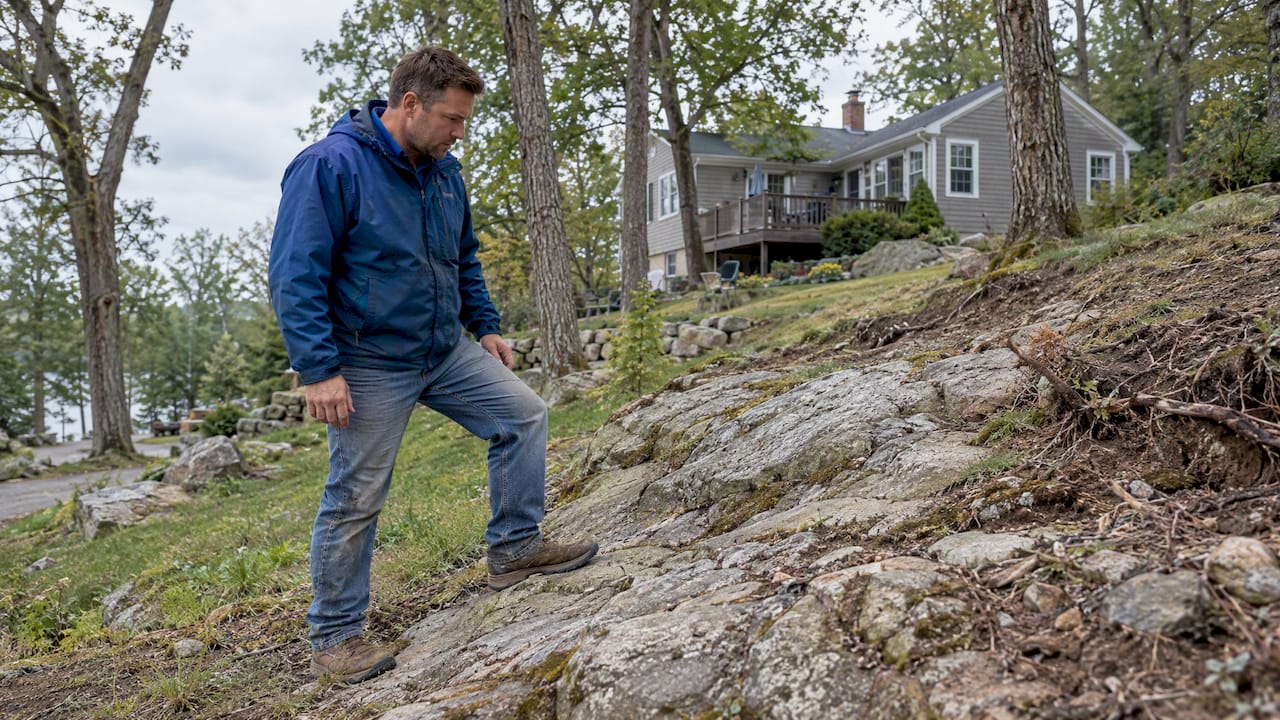
- Site conditions: Ledge, slopes and poor drainage mean extra excavation, specialized machinery and thicker base preparation. A rocky lot can significantly increase the digging time for a patio footprint.
- Materials and access: Pavers cost differently than poured concrete, and stone quality varies widely. Tight access means smaller equipment and more hand labor.
- Permits: Large retaining walls, major grading and permanent electrical or gas lines for outdoor kitchens often need permits. Check your town’s rules, for example the City of Lebanon’s guidance on decks, patios and pergolas, before you finalize a budget.
How do you get accurate, comparable quotes?
Bids only help when they describe the same work. Use this checklist:
- Ask every contractor for an itemized bid that separates materials, labor, permits, disposal and a contingency line.
- Insist on an on-site visit. A quote given from photos alone cannot account for ledge, grade or drainage.
- Verify general liability insurance and request local references you can actually call.
- Review the contractor’s portfolio and ask what warranty covers the work and for how long.
- Agree on payment terms in writing, including the deposit size and milestone-based payments tied to finished stages.
- Expect geography to matter. Metro areas such as Manchester and Nashua often price higher than rural counties, so compare bids from the same part of the state.
If a project involves a significant outlay, it can help to understand how improvements relate to property value. This primer on cost versus value in appraisal explains the thinking appraisers use.
Pro Tip: Ask each bidder for maintenance and lifecycle-cost estimates, not just the install price. Our guide to landscape lifecycle cost shows how to run that comparison.
When should you schedule landscaping work in New Hampshire?
Timing affects both price and quality. Spring is the busiest stretch, with longer lead times, so winter works well as a planning season: you can finalize design and secure a spot on the calendar.
Rough timelines look like this:
- Small jobs: a short project, such as a planting bed refresh or a short walkway.
- Medium projects: longer projects, such as a patio with a retaining wall or an irrigation install.
- Large renovations: several weeks to months, especially when design, permits and multiple trades overlap.
Freeze-thaw cycles matter here. Hardscape bases need stable, unfrozen ground to settle correctly, and new plantings need time to establish roots before winter. For milestone-level detail, see our landscape project timeline guide for New Hampshire homeowners.
How does a New Hampshire contractor build a bid?
When we walk a property for the first time, we are looking at more than the area you point to. We check access for equipment, the existing grade, soil and ledge, how water moves across the lot, where utilities run and what vegetation is already in place. Each of those can change the scope.
From there we build contingencies for conditions that are common here, such as unexpected rock or drainage fixes, and we list them as separate lines so nothing is buried in a lump sum. That is why an itemized bid matters: it shows you exactly what you are paying for. Before you hire anyone, ask to see a project gallery or case-study examples. Our own outdoor living project gallery is open for you to browse.
How do residential and commercial landscaping costs differ?
Residential work is usually priced around a single property owner’s wishes: a patio here, a planting plan there, with decisions made quickly. Commercial work, such as landscaping for a multi-tenant property, is shaped by different pressures.
- Scale: Larger footprints spread fixed costs like mobilization over more square footage, but total budgets are bigger.
- Durability and compliance: Commercial sites often need hardier plantings, drainage built for heavy use, and lighting that meets safety expectations.
- Scheduling: Work may need to happen around tenants, customers and business hours, which can mean phased installs or off-hours labor.
- Ongoing contracts: Maintenance is typically contracted on a recurring basis rather than handled as needed.
If you manage a shared property, our manager’s guide to multi-tenant landscaping design covers those planning questions in more depth. In either case, the same principle holds: itemized bids and a site visit are the only reliable way to compare cost.
How much does design complexity and customization add?
A basic layout with standard materials costs less than a design built around your property’s quirks. Complexity shows up in several places.
Curves, multiple levels and custom stonework take more labor than straight lines on flat ground. Specialty features such as built-in seating, fire features, pergolas or integrated lighting add both materials and skilled trades. Mixed plant palettes with mature specimens cost more than a simple planting plan built from small stock.
Customization also changes the design phase itself. A property with drainage problems or a steep grade needs more planning before work begins, and that planning is part of what you are paying for. The payoff is a space that fits how you use it, rather than a template pasted onto your yard.
One practical approach is to phase the work. Build the foundation first, meaning grading, drainage, base prep and main hardscape, then add plantings, lighting or extras in later seasons. Our explainer on landscape design for New Hampshire homeowners shows how to prioritize.
What do maintenance costs look like after installation?
Installation is not the last bill. Different features carry different upkeep, and it pays to plan for it before you commit.
Planting beds need mulching, pruning and seasonal cleanup. Lawns need mowing, aeration and fertilizing. Irrigation systems need spring start-up, fall winterization and occasional repairs, which matters in a climate where pipes must be drained before freezing. Hardscape needs the least attention, though pavers may need occasional re-sanding and sealing, and walls should be checked for settling after freeze-thaw cycles. Landscape lighting needs bulb or fixture replacement and an annual check of connections.
Because maintenance prices vary by property size and scope, ask each contractor for a written estimate of annual upkeep alongside the install quote. Cheaper materials sometimes carry higher long-term costs, and our lifecycle cost resource walks through that tradeoff. Smart controllers can also trim water use on irrigated lawns, as covered in our look at smart irrigation controllers.
What hidden fees should you watch for?
Surprises usually come from items left off the first quote. Ask about each of these up front:
- Disposal and haul-away: Removing old sod, soil, concrete or debris costs money, and ledge or fill can be expensive to dispose of.
- Grading and excavation: Reshaping a yard for proper drainage is real work, especially on sloped or rocky ground.
- Soil preparation: Amending compacted or poor soil before planting adds materials and labor.
- Permits and inspections: Structural hardscape, grading and utility work may require them, and fees vary by town.
- Utility marking and relocation: Buried lines can force design changes.
- Drainage fixes: Standing water around a new patio is a common problem, and our patio drainage options show what a proper fix involves.
- Change orders: Mid-project scope changes are priced separately, so agree on how they will be handled before work starts.
A trustworthy bid lists these lines or states clearly that they are excluded. If a quote is a single lump sum with no detail, request a breakdown.
What financing and payment options exist?
Most landscaping projects are paid in stages. A deposit secures your spot on the schedule, with further payments tied to completed milestones such as base prep, material delivery and final installation. Agree on this in writing before work begins.
Beyond the contractor’s own terms, homeowners commonly cover larger projects in a few ways:
- Savings or phased budgeting: Break a big plan into seasonal phases and pay as you go.
- Home equity loans or lines of credit: Often used for larger remodels, with rates and terms set by your lender.
- Personal loans: An unsecured option for mid-sized projects.
- Credit cards: Convenient for small jobs, though interest can add up quickly.
Terms and rates change by lender and by your credit profile, so compare offers directly with the institution before committing. Our team can also explain what a phased schedule would look like so your cash flow matches the work.
Why choose durability over the lowest price?
Our advice is blunt: in New Hampshire, the cheapest bid can end up costing more over time. Freeze-thaw cycles punish thin bases and cheap materials, and a patio or wall built without proper preparation will shift. Pay for the base work and quality stone, even if that means a smaller footprint now. Then check references and look at photos of finished projects that have survived a few winters.
— Damian
How we help New Hampshire homeowners plan and price projects
Divine Landscaping LLC offers a direct way to turn these ranges into a real number for your property. We design and build outdoor spaces for homeowners, with a site visit and an itemized estimate so you can compare our bid with any other. Our services include:
- Landscape design
- Patios, walkways and retaining walls
- Masonry and hardscape
- Decks and outdoor living
- Irrigation and lighting
- Full landscape contracting
The next step is simple: book a site visit and we will walk the property with you, then send an itemized quote and timeline. Start with our landscape design page or contact us for an estimate.
FAQ
Why does landscaping cost so much?
Most of the price is labor, equipment, insurance and materials. Billed contractor rates run well above worker wages because they cover running a crew and a business. In New Hampshire, rock and slope can add excavation time on top of that.
How much does two hours of yard work cost?
Small jobs are typically priced hourly or by the visit, and rates vary by contractor and task. NerdWallet lists basic landscaping services from $30 to $3,000, so a short cleanup falls at the low end. Ask for the hourly rate and any minimum visit fee.
What does landscaping labor cost in New Hampshire?
BLS data shows groundskeeping workers earning roughly $19 to $23 per hour in the state. Contractor billing is higher because it includes insurance, equipment, fuel and profit, so expect quotes above those wage figures.
What should I check before choosing a landscaping contractor?
Confirm insurance, ask for local references and review a portfolio of finished work. Request an itemized bid after a site visit, so materials, labor and permits are compared like for like.
Sources
- Bls
- New Hampshire Wages: 37-3011.00 – Landscaping and Groundskeeping Workers
- How Much Does Landscaping Cost? 2026 Data | Angi
- Landscaping Costs in 2026, Plus 8 Ways to Save – NerdWallet